


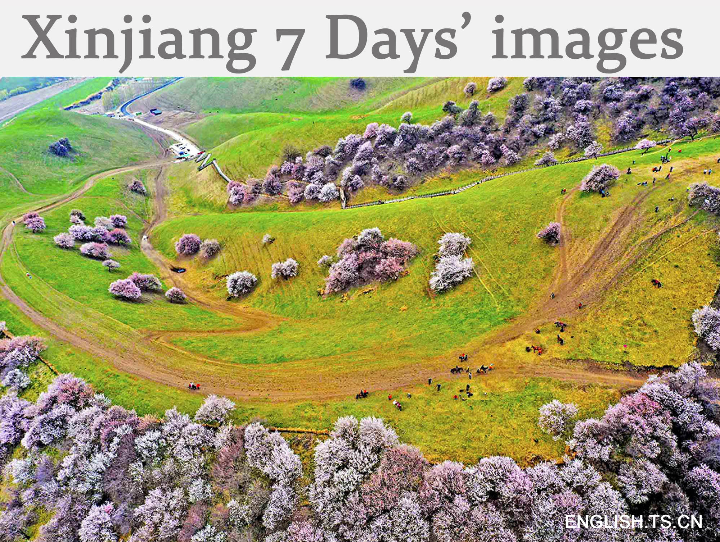
Xinjiang in May: A Tapestry of Temperatures and Terrain
May in Xinjiang presents a complex and captivating weather picture, far from the uniform experience one might expect across such a vast region. This geographically diverse province, encompassing deserts, mountains, and oases, experiences a dramatic range of temperatures depending on location and altitude. Understanding this variation is key to planning any trip during this shoulder season.
The most striking feature of Xinjiang's May weather is the significant temperature disparity. While the Tarim Basin, encompassing cities like Kashgar and Hotan, basks in increasingly warm temperatures, averaging highs in the mid-20s Celsius (mid-70s Fahrenheit), mountainous regions like the Tianshan range can still experience nighttime frosts. This means daytime highs might reach comfortable levels in the teens and low twenties Celsius (50s and 60s Fahrenheit) but plunge significantly as the sun sets. The elevation plays a crucial role; the higher you go, the cooler – and potentially wetter – it becomes.
Specifically, the southern parts of the Tarim Basin, known for their deserts, experience the warmest weather in May. Expect bright sunshine and dry air, though dust storms are still a possibility, particularly in the earlier part of the month. Temperatures here often reach their peak during the middle of the day, offering ideal conditions for exploring ancient cities and vibrant bazaars. However, nights can remain cool, necessitating layers of clothing.
Moving northwards, towards the cities like Ürümqi, the capital, the temperatures are more moderate. Daily highs in Ürümqi hover around the mid-teens to low twenties Celsius (50s and 60s Fahrenheit) with noticeably cooler nights. The weather here tends to be less predictable, with the possibility of occasional rain showers and even snowfall at higher elevations surrounding the city.
The northern reaches of Xinjiang, bordering Kazakhstan and Russia, experience even cooler temperatures in May. While daytime highs might reach into the single digits or low teens Celsius (40s and 50s Fahrenheit), nighttime frosts are still a real possibility. This region experiences more precipitation than the southern deserts, with snow still lingering at higher altitudes.
For travelers, this diverse temperature profile demands careful preparation. Packing layers is crucial, allowing for adaptability across different microclimates. Lightweight clothing suitable for warm days should be supplemented with warmer layers, including fleece jackets and a waterproof outer layer, to protect against potential rain or evening chills. Robust footwear is essential for navigating varied terrains, while sunscreen and a hat are vital for protection against the strong desert sun in the south.
In conclusion, May in Xinjiang offers a fascinating preview of summer, but with a significant caveat: it’s a season of extremes. Understanding the diverse climatic zones and preparing accordingly will ensure a safe and enjoyable exploration of this incredibly varied region. The contrasting temperatures and landscapes are part of Xinjiang's unique appeal, reminding us that this land of contrasts is more than just a geographical expanse; it's a complex and captivating natural wonder.


