


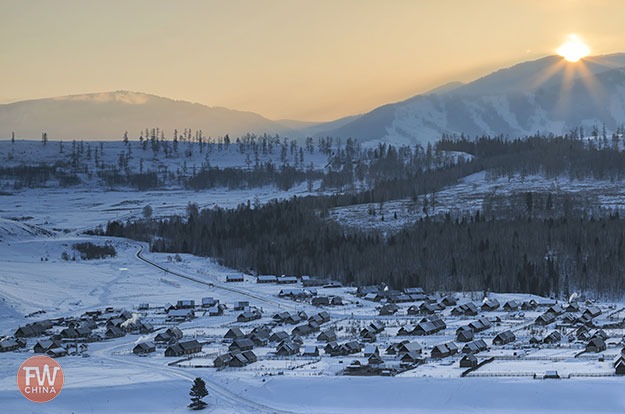
Xinjiang in January: A Realm of Extremes
January in Xinjiang, China, is a symphony of extremes. This vast, landlocked region, encompassing deserts, mountains, and oases, experiences weather conditions that vary dramatically depending on location and altitude. Understanding these variations is crucial for anyone planning a visit or interested in the region's unique environment.
The overarching theme is cold. Temperatures plummet far below freezing across much of Xinjiang, particularly in the northern and mountainous regions. Places like Altay, nestled in the Altai Mountains, can experience average lows well below -20°C (-4°F), with occasional dips to -30°C (-22°F) or even lower. The biting wind, often accompanied by snow, significantly intensifies the chill, creating a harsh environment.
However, the narrative isn't uniformly bleak. Southern Xinjiang, including the Tarim Basin, experiences a different, albeit still challenging, reality. While daytime temperatures might reach above freezing, particularly in the sunnier areas of the Taklamakan Desert, the nights are frigid, plummeting to well below freezing. The dryness of the desert air, while mitigating the intensity of the cold to some degree, also leads to very low humidity, resulting in dry skin and a heightened risk of respiratory issues.
The spatial variation is striking. The towering Tian Shan mountain range acts as a formidable barrier, influencing precipitation and temperature gradients. The northern slopes receive abundant snowfall, creating a picturesque yet challenging winter wonderland, perfect for skiing and other winter sports but demanding appropriate clothing and gear. In contrast, the southern slopes and the Tarim Basin, located in a rain shadow, are significantly drier, receiving little snowfall. This results in a landscape characterized by stark, snow-covered sand dunes in some areas, and frozen, barren plains in others.
Precipitation is another key variable. While snowfall is common in the northern mountains and some parts of the Tian Shan, it's relatively scarce in the southern deserts. Instead, these areas often experience clear, sunny days, even during the coldest periods. This stark contrast reflects the region's complex climate dynamics, driven by high-altitude air masses and the influence of the surrounding mountain ranges.
Understanding the diverse weather patterns across Xinjiang in January is crucial for any traveler. Proper planning is paramount; warm, layered clothing, including thermal underwear, waterproof outerwear, and sturdy boots, is essential regardless of location. Travelers should also be prepared for potential travel disruptions due to snow or ice, particularly in mountainous areas. The stark beauty of Xinjiang in January offers a unique experience, but only with the right preparation can one fully appreciate its breathtaking, yet challenging, winter landscape. The reward is a glimpse into a world of dramatic contrast, a testament to the incredible diversity of this remarkable region.


