


Xinjiang in June: A Tapestry of Weather Extremes
June in Xinjiang, China, presents a fascinating and complex meteorological landscape, far from the singular image of a uniformly arid region. The vastness of the autonomous region, encompassing deserts, mountains, and oases, translates to a dramatically varied weather experience across its different geographical zones. Understanding these variations is key to planning any trip or activity during this month.
Generally speaking, June marks the transition from spring to summer, bringing with it a significant increase in temperatures, especially in the southern regions. The Tarim Basin, home to cities like Kashgar and Hotan, experiences scorching days with temperatures frequently exceeding 30°C (86°F), and often climbing well above 35°C (95°F) in the hottest parts of the day. These areas are characterized by arid conditions, with low humidity and intense sunshine. Sunstroke is a very real concern, emphasizing the need for proper hydration and sun protection.
Moving northward, towards the cities of Urumqi and Karamay, the temperatures are comparatively milder. While still warm, averaging around 20-25°C (68-77°F), the diurnal temperature range is more pronounced. Expect cooler evenings and nights, often requiring a light jacket or sweater after sunset. The increased altitude in these northern areas contributes to the lower temperatures. These regions also experience less intense sunshine than the southern Tarim Basin.
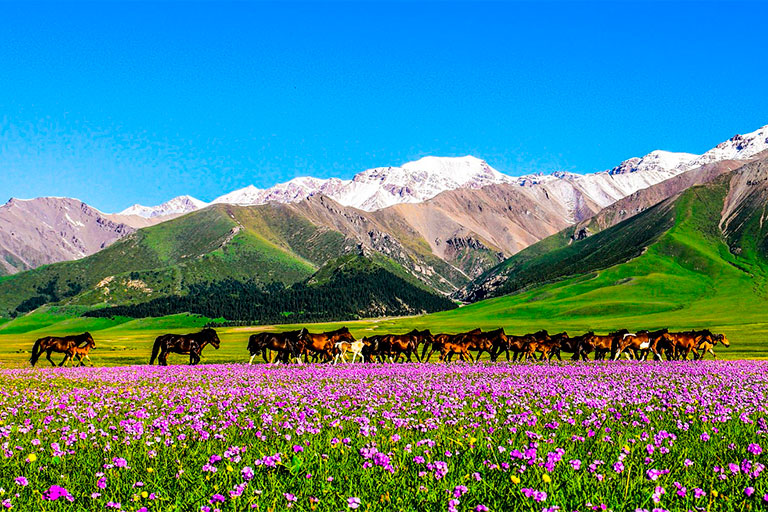
However, the most dramatic variations occur in Xinjiang's mountainous regions, such as the Tian Shan range. At higher elevations, June can still bring cool temperatures, even occasional snowfall at the highest peaks. Lower altitudes in the mountain foothills might experience pleasant temperatures ideal for hiking, but rapid weather changes are common, requiring layered clothing and preparedness for sudden showers or even hail.
Rainfall in June is generally low across much of Xinjiang, reinforcing the arid nature of many areas. However, mountainous regions can see localized showers, often brief and intense. These are crucial for replenishing water sources, but can also lead to flash floods in vulnerable areas. Therefore, checking weather forecasts before undertaking any outdoor activities, particularly in mountainous regions, is crucial.
In summary, understanding the diverse weather patterns within Xinjiang in June is paramount. The experience can range from intense desert heat in the south to pleasantly warm conditions in the north, with the mountainous regions presenting a unique blend of temperature variations and the possibility of unpredictable weather events. Travelers should meticulously plan their itineraries based on their chosen destinations, taking into account the significant differences in temperatures and weather conditions across the vast landscape of Xinjiang. Proper preparation, including appropriate clothing, sun protection, and awareness of potential hazards, is essential for a safe and enjoyable experience.


