


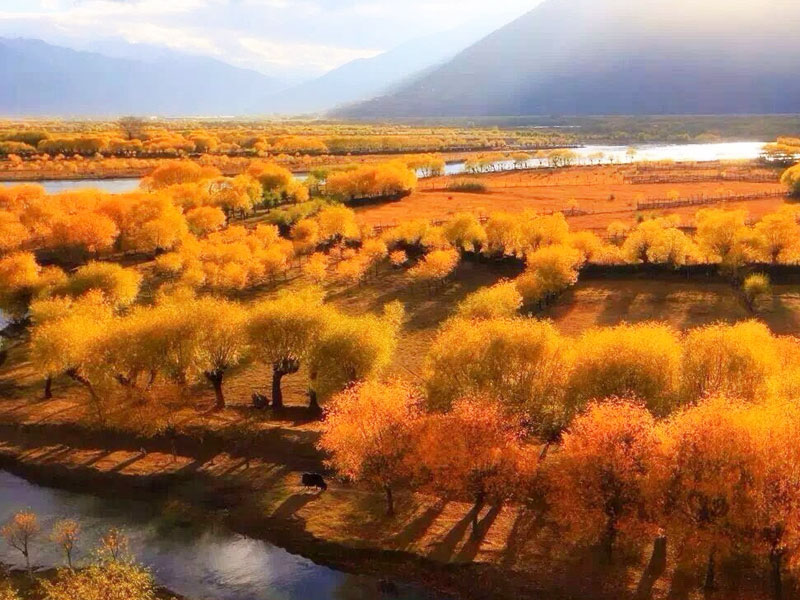
November in Tibet: A Landscape of Crisp Air and Shifting Skies
November in Tibet marks a transition, a graceful movement from the vibrant autumn hues to the stark beauty of approaching winter. The weather is characterized by crisp, dry air, abundant sunshine, and a dramatic drop in temperatures, particularly at higher altitudes. This makes it a month of stark contrasts, offering breathtaking scenery alongside the need for meticulous preparation.
Temperatures: A Tale of Two Tibets
Tibet's vastness dictates significant variations in November's temperatures. The lower valleys, such as those around Lhasa, experience relatively milder conditions. Daytime highs might reach a comfortable 15-20°C (59-68°F), offering pleasant conditions for sightseeing. However, nights plunge dramatically, often dropping to near freezing, or even below 0°C (32°F). This significant diurnal temperature range is a hallmark of Tibetan November.
As you ascend to higher altitudes, the chill intensifies. Areas like Shigatse, and especially the Everest Base Camp region, experience far colder conditions. Daytime temperatures might struggle to reach above 5-10°C (41-50°F), while nighttime lows can plummet to -10°C (14°F) or even lower. The thin air at these altitudes exacerbates the cold, making even mild temperatures feel significantly colder.
The impact of altitude on temperature cannot be overstated. Each 1,000-meter (3,281-foot) increase in elevation typically results in a temperature drop of approximately 6-7°C (11-13°F). Therefore, a trip to Mount Everest base camp necessitates layers upon layers of warm clothing.
Beyond Temperature: Wind, Sun, and Precipitation
While temperature is a crucial factor, other weather elements significantly influence the overall experience of November in Tibet.
- Sunshine: November often boasts abundant sunshine. The clear, crisp air allows for stunning views of the Himalayan peaks and vast landscapes, making it ideal for photography. However, the high altitude means the sun's rays are more intense, requiring ample sunscreen and lip balm.
- Wind: High winds are common, particularly at higher altitudes and exposed locations. These winds can significantly increase the perceived chill, making it feel considerably colder than the actual temperature. This necessitates windproof outerwear.
- Precipitation: Rainfall and snowfall are infrequent in November, but not unheard of. Occasional flurries are more likely at higher altitudes, while lower elevations might experience occasional light rain. However, overall, November is generally a relatively dry month.
Planning Your Trip:
The stark temperature variations and potential for strong winds demand careful planning for any November trip to Tibet. Pack layers of warm clothing, including thermal underwear, fleece jackets, a waterproof and windproof outer shell, warm hats, gloves, and scarves. Sturdy, waterproof hiking boots are crucial, especially if you plan on trekking. Sunglasses and sunscreen are essential to protect against the intense sun. Finally, consulting updated weather forecasts before and during your trip is highly recommended.
In conclusion, November in Tibet offers a unique and captivating experience. The crisp air, abundant sunshine, and dramatic landscapes create an unforgettable setting, but the significant temperature variations and potential for strong winds necessitate careful preparation. With the right planning, a November trip to Tibet can be a truly rewarding adventure.


