


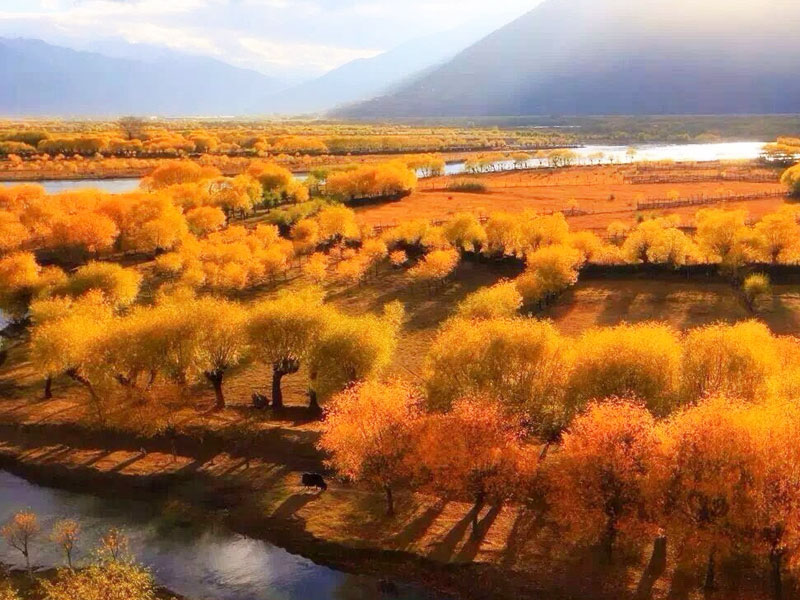
Tibet in October: A Tapestry of Crisp Air and Golden Sunlight
October in Tibet marks a sweet spot in the year, a transition from the vibrant monsoon season to the crisp, clear air of winter. While the summer's intense heat retreats, the biting cold of the high-altitude winter hasn't fully arrived, creating a surprisingly comfortable climate for many visitors. However, the beauty of this period is interwoven with the complexities of altitude and regional variations, making understanding the weather crucial for a successful trip.
Temperatures: A Delicate Balance
Tibet's vastness contributes significantly to its diverse climate. October temperatures are rarely uniform, fluctuating considerably depending on altitude and location. Generally, expect daytime highs to range from a pleasant 15-20°C (59-68°F) in lower-lying areas like Lhasa and Shigatse, gradually decreasing with altitude. In higher regions like Everest Base Camp, expect significantly lower temperatures, potentially hovering around 0-10°C (32-50°F) during the day.
Nighttime temperatures tell a different story. Even in lower altitudes, nights can become remarkably chilly, often dropping to near freezing, around 0-5°C (32-41°F) in Lhasa. At higher elevations, expect nighttime temperatures to plummet well below freezing, potentially reaching -5°C to -15°C (23-5°F) or even lower in exposed areas. This significant diurnal temperature variation is a hallmark of the Tibetan plateau's climate.
Regional Variations:
- Lhasa: The capital city experiences relatively moderate temperatures in October, making it an ideal base for exploring surrounding areas. Expect sunny days and cool nights.
- Shigatse: Similar to Lhasa, Shigatse enjoys relatively pleasant daytime temperatures but with colder nights.
- Everest Base Camp: October is still a relatively good time to visit Everest Base Camp, but be prepared for significantly colder temperatures, strong winds, and potentially snow. Layers are essential.
- Namtso Lake: This stunning high-altitude lake experiences colder temperatures than Lhasa, with potential for frost and icy patches.
- Western Tibet (e.g., Ngari Prefecture): This region is even more exposed and experiences drastically colder temperatures than eastern Tibet, with potential for significant snowfall.
Beyond Temperature: Other Weather Factors
While temperature is a key consideration, other weather factors play a vital role in shaping the October experience:
- Sunshine: October is generally a very sunny month across Tibet, providing ample opportunities for sightseeing and outdoor activities. However, the high altitude means the sun's rays are more intense, so sun protection is crucial.
- Wind: Strong winds are common throughout Tibet, especially at higher elevations. This can significantly impact perceived temperature and make outdoor activities more challenging.
- Precipitation: While the monsoon season has typically subsided, occasional showers or snow flurries are possible, particularly in higher-altitude regions. Packing appropriate rain gear is advisable.
- Altitude Sickness: The lower oxygen levels at high altitude can exacerbate the effects of cold weather. Acclimatization is vital, and those with pre-existing respiratory conditions should exercise caution.
Packing for October in Tibet:
Given the temperature variations and other weather factors, packing for a trip to Tibet in October requires careful planning:
- Layers: Pack layers of clothing, including warm base layers, fleece mid-layers, and a waterproof and windproof outer shell.
- Warm Hat, Gloves, and Scarf: Even in relatively warmer areas, these are essential for evening and higher-altitude excursions.
- Sturdy Hiking Boots: These are crucial for navigating varied terrain.
- Sunscreen, Sunglasses, and Lip Balm: High-altitude sun exposure is intense.
- Rain Gear: A waterproof jacket and trousers are advisable.
In conclusion, October in Tibet offers a unique blend of pleasant weather and breathtaking scenery. By understanding the nuances of regional temperature variations, and packing appropriately, travellers can experience the magic of this remarkable destination at its most captivating. Remember to prioritize acclimatization and listen to your body to ensure a safe and unforgettable journey.


