


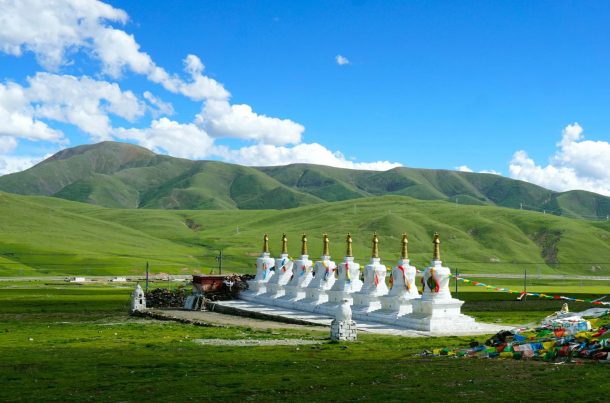
June in Tibet: A Realm of Shifting Skies and Moderate Temperatures
June in Tibet marks a transition. The harsh, biting winds of spring begin to soften, while the full intensity of summer's heat hasn't yet arrived. This makes it a surprisingly pleasant time to visit, though understanding the nuances of the weather is crucial for a comfortable and enjoyable trip.
The overarching characteristic of June's weather in Tibet is its variability. Altitude plays a crucial role, dictating temperature swings far more dramatically than geographical location. While Lhasa, at an altitude of around 3,650 meters (12,000 feet), might experience daytime highs averaging in the mid-60s Fahrenheit (around 18-20° Celsius), venturing to higher altitudes, like Everest Base Camp, will yield significantly colder temperatures, potentially hovering near freezing even during the day.
Daytime temperatures in lower-altitude regions like Lhasa and Shigatse generally range from 15°C to 22°C (59°F to 72°F). The sun can be intense, however, so sun protection is essential, even on cooler days. Nights bring a noticeable drop in temperature, often dipping down to around 5°C (41°F) or even lower in higher elevations. This significant diurnal temperature variation is a defining feature of Tibetan weather.
Rainfall in June is relatively low compared to other months, but it's far from nonexistent. Showers are possible, particularly in the afternoons and evenings, often localized and short-lived. These are usually light to moderate, but can be accompanied by strong gusts of wind, especially in higher altitudes. Packing layers is therefore highly recommended, allowing for adaptability to rapidly changing conditions.
Sunshine is abundant in June, making the most of daytime exploration crucial. The clear, crisp air provides stunning views of the Himalayan landscape, but the high altitude means the sun's rays are more intense. Sunglasses, sunscreen with a high SPF, and a hat are absolute necessities.
While June generally offers pleasant temperatures for many travelers, it's important to remember that altitude sickness remains a major concern. The thinner air at high altitudes can significantly impact individuals, and it's crucial to acclimatize properly. Spending time at lower altitudes before heading to higher elevations, and ascending gradually, is vital for preventing altitude sickness.
In conclusion, June in Tibet offers a window of relatively moderate temperatures compared to other months. However, the significant variability in temperature due to altitude and the possibility of occasional rain and wind necessitate careful planning and appropriate clothing. Understanding these nuances ensures a safe, comfortable, and unforgettable journey through the breathtaking landscapes of this remarkable region. Prioritizing acclimatization is paramount to ensure a healthy and enjoyable experience.


