


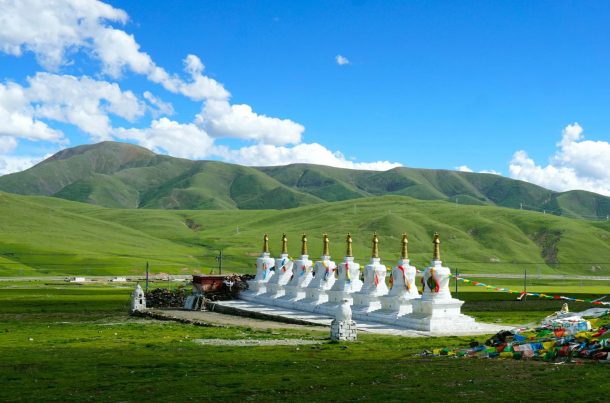
A High-Altitude Summer: Weather in Tibet During July
July in Tibet presents a paradox: high altitude, but surprisingly warm days. While the "Roof of the World" conjures images of perpetual frost, the reality in July is a complex tapestry of sunshine, monsoon influence, and dramatic temperature swings. Understanding this weather is crucial for any traveler hoping to experience the region's breathtaking landscapes comfortably.
Temperatures Across Tibet
Temperatures in July across Tibet vary significantly depending on altitude and location. The lower valleys, such as the Yarlung Tsangpo River Valley, experience the warmest temperatures, often reaching highs in the mid-70s Fahrenheit (low 20s Celsius) during the day. However, even in these lower regions, nights can be considerably cooler, dropping to the 40s Fahrenheit (around 5-10 Celsius), necessitating layers of clothing.
As one ascends to higher altitudes, the temperature story changes drastically. In Lhasa, at an elevation of around 12,000 feet (3,650 meters), daytime highs typically hover in the mid-60s Fahrenheit (around 18-20 Celsius), while nighttime lows can plunge into the 40s Fahrenheit (around 5-10 Celsius). This significant diurnal temperature range is a hallmark of high-altitude climates, a consequence of the thin atmosphere's reduced capacity to retain heat.
Beyond Lhasa, in areas like the Everest Base Camp or other high-altitude trekking regions, temperatures become significantly colder. Daily highs might struggle to reach the 50s Fahrenheit (around 10-15 Celsius), while nighttime temperatures can easily drop below freezing, especially at higher elevations. These locations experience intense solar radiation during the day, but the thin air and high altitude lead to rapid heat loss at night.
Monsoon Influence
The monsoon season, which typically arrives in June and continues into September, significantly impacts July weather in eastern and southern Tibet. While not as relentless as in lower-lying regions of South Asia, this period introduces a higher probability of afternoon thunderstorms and showers, particularly in the eastern parts of the plateau. These showers can be intense and short-lived, offering a welcome respite from the intense sun but also posing challenges for trekking and outdoor activities. Western Tibet, however, tends to remain relatively dry throughout July.
Packing for a July Trip
Ultimately, packing for a July trip to Tibet requires careful consideration of the altitude and regional variations. Lightweight, breathable clothing is essential for daytime warmth, while layers – including a warm jacket, hat, and gloves – are crucial for evenings and higher altitudes. Waterproof and windproof outerwear is also recommended, given the potential for sudden rain showers and strong winds, especially at higher elevations. Understanding the specific temperature ranges of your intended destination is paramount for a comfortable and memorable Tibetan adventure.


