


Sichuan in January: A Tapestry of Weather Extremes
January in Sichuan presents a complex and fascinating meteorological picture, far from the monolithic "cold" often associated with the month. While the province experiences generally colder temperatures compared to the summer months, its varied topography creates a microclimate patchwork, resulting in significant regional differences. Understanding this variability is crucial for planning any January visit.
Lowlands (e.g., Chengdu)
The lowlands, particularly around Chengdu, experience the mildest conditions. Daytime temperatures typically hover around 8-10°C (46-50°F), though nights can dip to freezing or just below, often accompanied by mist or drizzle. This relatively moderate weather, however, can be deceptive. The persistent dampness, combined with the often overcast skies, creates a chilling effect that makes the actual temperature feel significantly lower. Think penetrating cold rather than harsh frost. Packing layers is essential, with a good waterproof outer layer highly recommended.
Higher Elevations (e.g., Minshan, Qionglai Mountains)
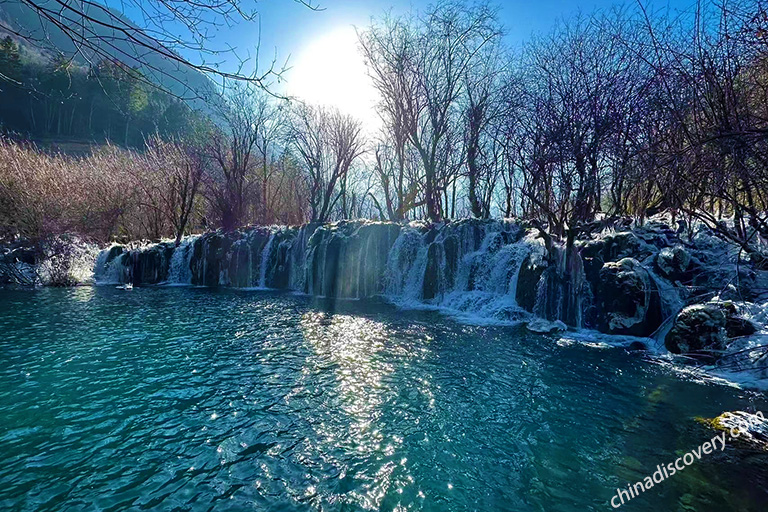
Moving towards higher elevations, the situation changes dramatically. In areas like the mountainous regions surrounding Chengdu, or further afield in the Minshan or Qionglai mountains, expect significantly colder temperatures, often dropping well below freezing, even during the day. Snow is a distinct possibility, particularly at higher altitudes, transforming the landscape into a winter wonderland. These areas demand significantly warmer clothing, including hats, gloves, and sturdy, waterproof boots. Travel in these regions during January might be challenging due to potential road closures caused by snow and ice.
Sichuan Basin
The Sichuan Basin, a vast and fertile plain where much of the province's population resides, generally experiences less snowfall than the surrounding mountains. However, freezing rain ("ice rain") is a potential hazard, coating surfaces with a treacherous layer of ice. This poses risks for both travel and outdoor activities.
Fog, Mist, and Air Quality
Another important factor to consider is the prevalence of fog and mist, particularly in the lowlands. This can significantly reduce visibility and impact travel plans. Air quality can also be a concern, as stagnant air in the basin can trap pollutants, leading to poorer air quality than in other, more mountainous regions.
Planning Your Trip
Therefore, planning a January trip to Sichuan requires careful consideration of your intended destination. A trip focused on exploring the cultural highlights of Chengdu will have different weather preparations than a trek through the snow-capped mountains. Checking the specific forecast for your chosen location is paramount. Flexibility is key, as weather conditions can change rapidly, especially in the mountainous regions.
Conclusion
In conclusion, January in Sichuan is far from a uniform experience. While generally cold, the varying elevations and microclimates create a spectrum of conditions, ranging from damp chill in the lowlands to snowy conditions in the mountains. Understanding these variations and preparing accordingly will ensure a safe and enjoyable visit to this fascinating province.


