


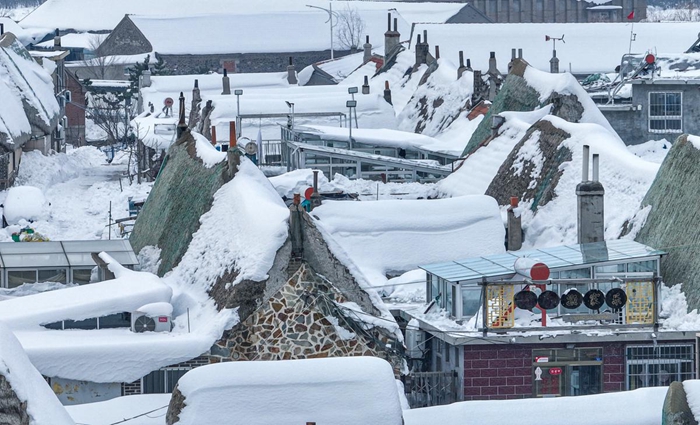
Shandong in February: A Balancing Act Between Winter's Grip and Spring's Promise
February in Shandong Province, China, presents a fascinating meteorological paradox: a liminal space between the biting chill of winter and the tentative warmth of spring. The experience is far from uniform, however, varying significantly across its diverse geography. Understanding this nuanced weather pattern is crucial for anyone planning a visit or residing in the region during this transitional month.
The province's coastal regions, facing the Yellow Sea, experience a more moderate climate compared to the inland areas. While temperatures remain below freezing on many days, the maritime influence mitigates the severity of the cold, resulting in less extreme lows and slightly higher highs than further inland. Sea breezes can also provide a temporary respite from the often harsh winds that characterize February. Coastal cities like Qingdao might see occasional thaws, with temperatures creeping above freezing during the daytime, offering glimpses of the approaching spring. However, nighttime temperatures consistently remain below zero, and the persistent dampness can make the cold feel even more penetrating.
Moving inland, the story changes. Cities like Jinan and Tai'an, nestled amongst the rolling hills and mountains, experience significantly colder conditions. Here, the lack of a moderating maritime influence allows for much lower temperatures, frequently plunging well below freezing, even during the daytime. The risk of snowfall increases substantially in these inland regions, potentially causing disruptions to travel and daily life. The clear, crisp air, however, can be incredibly beautiful, particularly when the sun is shining, offering a stark contrast to the often cloudy coastal areas.
Throughout the province, February is characterized by strong, often biting, winds. These winds can exacerbate the feeling of cold, making even relatively mild temperatures feel much colder. This necessitates appropriate clothing, including layers, waterproof outerwear, and warm headgear.
Beyond temperature and wind, precipitation is another crucial factor. While heavy snowfall is less common in Shandong's coastal regions, the possibility of light snow or sleet remains. Inland areas, as mentioned, face a significantly higher chance of snowfall, sometimes accumulating to substantial depths. This can lead to icy conditions, necessitating caution for drivers and pedestrians alike.
For tourists, February presents a unique opportunity. While not ideal for outdoor activities requiring warmer temperatures, the quieter, less crowded atmosphere offers a different perspective on Shandong's beautiful landscapes. The potential for snow-covered hills and a glimpse of the burgeoning spring make it an interesting time to explore the province's historical sites and natural wonders, provided one is prepared for the conditions.
In conclusion, February in Shandong is a month of contrasts. Understanding the nuances of the regional variations in temperature, wind, and precipitation is key to enjoying the province during this transitional period. Packing accordingly and being mindful of the potentially challenging weather conditions will ensure a safe and rewarding experience.


