


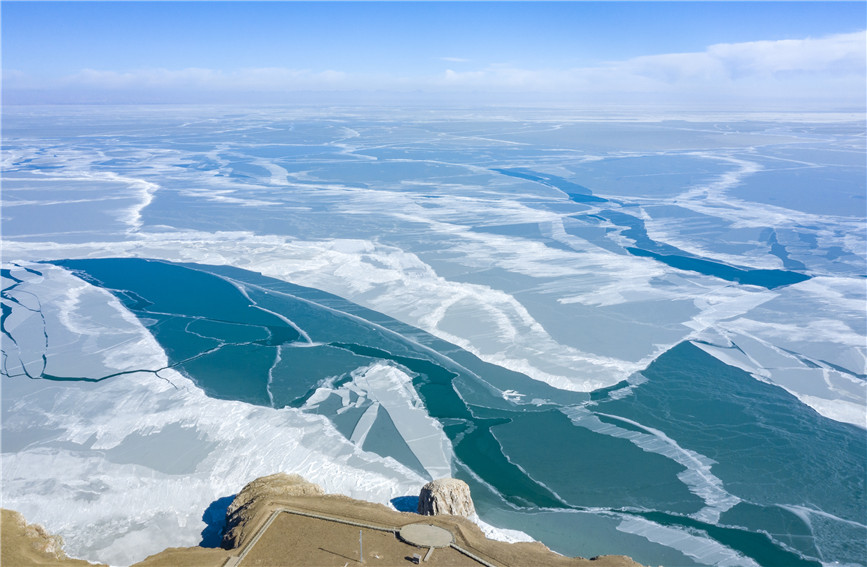
The Frozen Heart of China: Weather in Qinghai in February
February in Qinghai, a vast plateau province in northwestern China, offers a stark and beautiful landscape shaped by extreme cold and the lingering grip of winter. Forget balmy breezes; this is a month defined by biting winds, sub-zero temperatures, and a landscape draped in a pristine, albeit unforgiving, blanket of snow. Understanding the weather in Qinghai during February is crucial for anyone planning a visit, as it dictates the possibilities and limitations of travel and activity.
The province's high altitude is the primary driver of its frigid February climate. Averaging over 3,000 meters (almost 10,000 feet) above sea level, Qinghai experiences significantly lower temperatures than areas at similar latitudes. Expect daytime highs struggling to reach above freezing, particularly in the higher elevations. Nighttime temperatures plummet far below zero, often dropping to -10°C (-14°F) or even lower in some regions. The vast expanse of the Tibetan Plateau also contributes to the harsh conditions, with little moderation from nearby bodies of water.
While snowfall is frequent throughout the month, the intensity varies greatly depending on location. Areas like the Kunlun Mountains experience heavier snowfall, often accumulating significant drifts that can impede travel. The Qaidam Basin, a vast desert basin within Qinghai, may see less snowfall but faces intensely cold, dry winds that amplify the chill. These winds, often whipping across the barren landscape, create a wind chill factor that makes the actual temperature feel even colder.
The sun, when it does pierce the often cloudy skies, can be deceptively strong at this altitude. While providing some warmth, it also accelerates dehydration, making sun protection – including sunscreen and lip balm – essential, even on the coldest days.
This extreme climate impacts travel considerably. Many high-altitude passes may be closed due to snow and ice, limiting access to certain areas. Road conditions can be treacherous, and four-wheel-drive vehicles are highly recommended for any journey beyond major cities. Train travel remains a relatively reliable option, although delays are possible due to extreme weather.
For those brave enough to face the February chill, Qinghai offers a unique and rewarding experience. The snow-covered landscape transforms the province into a winter wonderland, with opportunities for skiing, snowboarding, and snowshoeing in designated areas. The tranquility of the frozen lakes and the breathtaking views of the snow-capped mountains offer a profound sense of awe and solitude.
However, meticulous planning and preparation are essential. Pack layers of warm clothing, including thermal underwear, fleece layers, waterproof outerwear, and sturdy boots. Be sure to carry plenty of water to combat dehydration, and be aware of altitude sickness, a potential hazard at these elevations. Consulting local weather forecasts before embarking on any journey is also highly recommended.
In conclusion, February in Qinghai presents a challenging but ultimately rewarding experience for those seeking a taste of truly extreme weather and a uniquely beautiful winter landscape. With proper preparation and a respect for the environment, the frozen heart of China can reveal its breathtaking secrets.


