


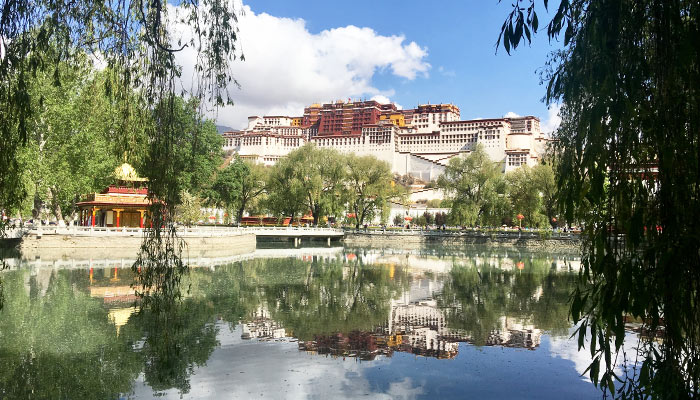
Lhasa in March: A Transition Between Worlds
March in Lhasa marks a fascinating transition, a liminal space between the biting chill of winter and the burgeoning warmth of spring. While not yet bursting with the vibrant colours of later months, March offers a unique experience in the Tibetan capital, a blend of crisp air, stunning mountain vistas, and a glimpse into the awakening of the high-altitude ecosystem.
The Weather
The weather itself is unpredictable, a characteristic of high-altitude climates. Expect average daytime temperatures hovering around 10-15°C (50-59°F), but be prepared for significant variation. Sunny days can be gloriously warm, especially in the midday sun, tempting you to shed layers. However, nights remain distinctly cold, often dipping below freezing, demanding warm clothing and possibly even a sleeping bag if staying in less-insulated accommodations. The thin air exacerbates the chill, making the temperature feel even colder than the thermometer suggests.
Sunshine is generally abundant during March, providing welcome warmth and illuminating the dramatic Himalayan backdrop. However, sudden changes are common. Clear skies can quickly turn overcast, bringing short bursts of snow or even hail. These fleeting storms are often short-lived, but they serve as a reminder of the capricious nature of the Lhasa climate.
Packing Essentials
This unpredictability makes packing for a March trip to Lhasa crucial. Layers are key: thermal underwear, fleece jackets, a waterproof and windproof outer shell, and warm hats and gloves are essential. Comfortable walking shoes are also a must, as exploration on foot is highly recommended.
Cultural Experience
Beyond the fluctuating weather, March in Lhasa offers a unique cultural experience. The city is slowly awakening from the relative quiet of winter, with a gentle increase in tourist activity. While the peak season crowds haven't yet arrived, you'll still encounter fellow travelers eager to experience the magic of Tibet. This makes March an ideal time for those seeking a balance between cultural immersion and a less crowded experience.
The Landscape
The landscape surrounding Lhasa also begins to show signs of life. While the higher slopes remain snow-covered, the valleys start to display hints of green, a testament to the resilience of life at high altitude. This subtle shift in the environment enhances the spiritual atmosphere of the city, making it even more captivating.
Conclusion
In conclusion, March in Lhasa is a season of contrasts. It’s a time of unpredictable weather, demanding careful preparation, but also a time of unique beauty and cultural richness. The fluctuating temperatures, the dramatic mountain vistas, and the quiet awakening of the city all contribute to a truly memorable experience, offering a glimpse into the heart of Tibet at a pivotal moment in its yearly cycle. Embrace the unpredictable nature of the season, pack appropriately, and be rewarded with a journey that transcends the simple meteorological forecast.


