


Lhasa in January: A Frozen Jewel Under Tibetan Skies
January in Lhasa offers a starkly different experience from the bustling summer months. While the high altitude remains a constant, the weather transforms the city into a captivating, if challenging, destination. Forget the lush greenery; instead, prepare for a landscape painted in shades of white and brown, under a sky often brilliantly clear and impossibly blue.
The defining characteristic of Lhasa's January weather is its extreme dryness and cold. Temperatures rarely rise above freezing during the day, typically hovering around 0°C (32°F), but can plummet significantly below -10°C (14°F) at night. The thin air exacerbates the chill, making even light winds feel biting. This is high-altitude cold; the kind that penetrates to the bone. Visitors should be prepared for intensely cold conditions and pack accordingly. Layers are crucial, with thermal underwear, warm fleece, a heavy waterproof outer layer, and a good hat and gloves being absolute necessities.
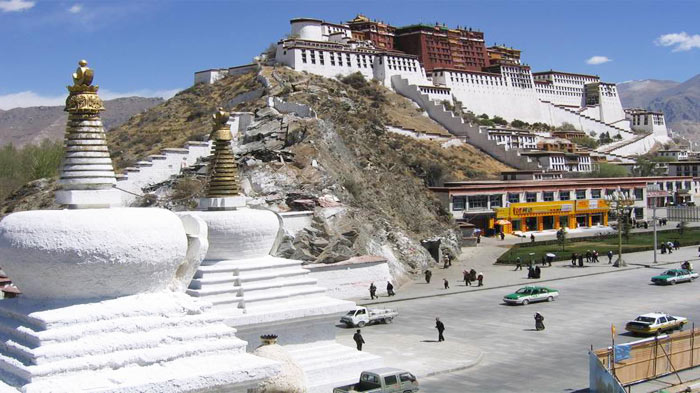
While rainfall is minimal, the potential for snow exists. Snowfall, though not guaranteed, can transform the already dramatic landscape into something truly magical, blanketing the Potala Palace and surrounding hills in a pristine white. However, snow also brings potential travel disruptions, with roads potentially becoming icy and difficult to navigate. Check weather forecasts regularly and plan accordingly if you intend to travel outside of Lhasa city.
The intense sunlight, despite the low temperatures, is a noteworthy feature. The high altitude means the sun's rays are particularly strong, even on the coldest days. Sunglasses and high-SPF sunscreen are essential to prevent sunburn and eye damage. The clear, crisp air allows for breathtaking views, with the Himalayas often visible in their snow-capped glory on clear days.
For those acclimated to the altitude, the dry, cold air can be surprisingly invigorating. The stillness of the city, often quieter than in warmer months, adds to the sense of serene beauty. The unique cultural experiences of Lhasa remain available, even in winter, although some outdoor activities might be limited. Visiting the Jokhang Temple or the Sera Monastery, while bundled up in warm clothing, provides a deeply spiritual experience, enhanced by the stark beauty of the winter landscape.
In conclusion, January in Lhasa is not for the faint of heart. It's a challenging but rewarding experience for those prepared for the extreme cold and dryness. It offers a unique perspective on the city, showcasing its resilience and beauty in a different light. By understanding the conditions and packing appropriately, visitors can witness a truly unforgettable side of the Tibetan capital, a frozen jewel shimmering under the vibrant Tibetan sky.


