


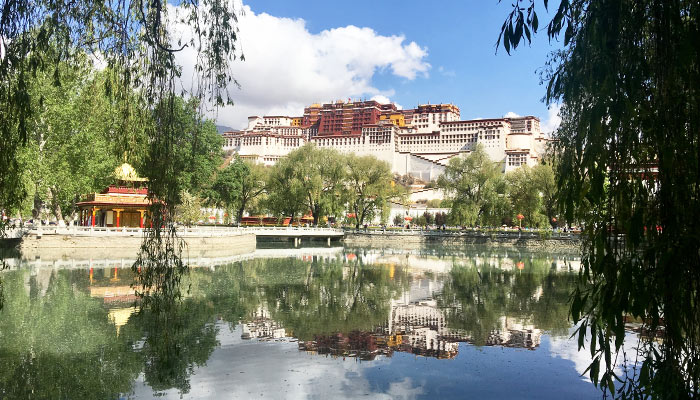
Lhasa in August: A High-Altitude Summer
August in Lhasa, the capital of Tibet, presents a unique weather experience, a blend of high-altitude sunshine and surprisingly mild temperatures compared to the scorching summers experienced at lower elevations. Understanding the intricacies of this weather is crucial for any traveler planning a visit. While often portrayed as brutally cold, August sits squarely within Lhasa's short summer, offering a surprisingly pleasant – albeit still demanding – climate.
Temperatures: The Highs, Lows, and the Thin Air:
The defining characteristic of Lhasa's August weather is its significant diurnal temperature range. This means the difference between daytime highs and nighttime lows is substantial. Expect daytime highs averaging around 18-20°C (64-68°F). This might seem moderate, but the thin air at Lhasa's altitude of 3,650 meters (11,975 feet) significantly impacts the perceived temperature. The lower air density means less insulation, leading to faster heat loss from your body. A 20°C day can feel noticeably cooler than a 20°C day at sea level.
Nighttime temperatures, however, plummet considerably, often dropping to around 5-8°C (41-46°F). This dramatic swing requires careful packing. Layers are essential, allowing you to adjust your clothing throughout the day. Lightweight, breathable layers for daytime warmth, coupled with a fleece jacket or even a light down jacket for evenings and early mornings are highly recommended.
Sunshine and UV Radiation:
Lhasa enjoys abundant sunshine in August. The high altitude translates to intense UV radiation. Sun protection is absolutely paramount. A high SPF sunscreen (SPF 50 or higher), a wide-brimmed hat, and sunglasses are not optional; they are necessities to avoid sunburn and potential long-term damage. Even on cloudy days, the UV radiation can be surprisingly strong.
Precipitation:
August falls within the monsoon season in Tibet, although Lhasa itself typically receives relatively low rainfall compared to other parts of the region. Showers are possible, often short and sharp, but prolonged periods of heavy rain are less common. However, unpredictable weather patterns are always a possibility at this altitude, so packing a lightweight, waterproof jacket is a wise precaution.
Altitude Sickness Considerations:
The thin air at Lhasa's altitude is a significant factor affecting the overall experience. Altitude sickness is a genuine concern, and its effects can be exacerbated by strenuous activity in the heat. It's crucial to acclimatize properly before undertaking any vigorous activities. Staying hydrated by drinking plenty of water is paramount, and avoiding alcohol and excessive caffeine is recommended. Listen to your body and take rest breaks frequently if you experience any symptoms of altitude sickness, such as headache, nausea, or shortness of breath. Consult a doctor before travelling if you have pre-existing health concerns.
In Summary:
August in Lhasa offers a unique blend of pleasant daytime temperatures and cool nights. However, the thin air and intense UV radiation require careful preparation and awareness. Packing strategically for the significant diurnal temperature range and prioritizing sun protection are crucial for a comfortable and enjoyable experience. Remembering to acclimatize properly and respect the altitude will ensure that your visit to this breathtaking city is both memorable and safe.


