


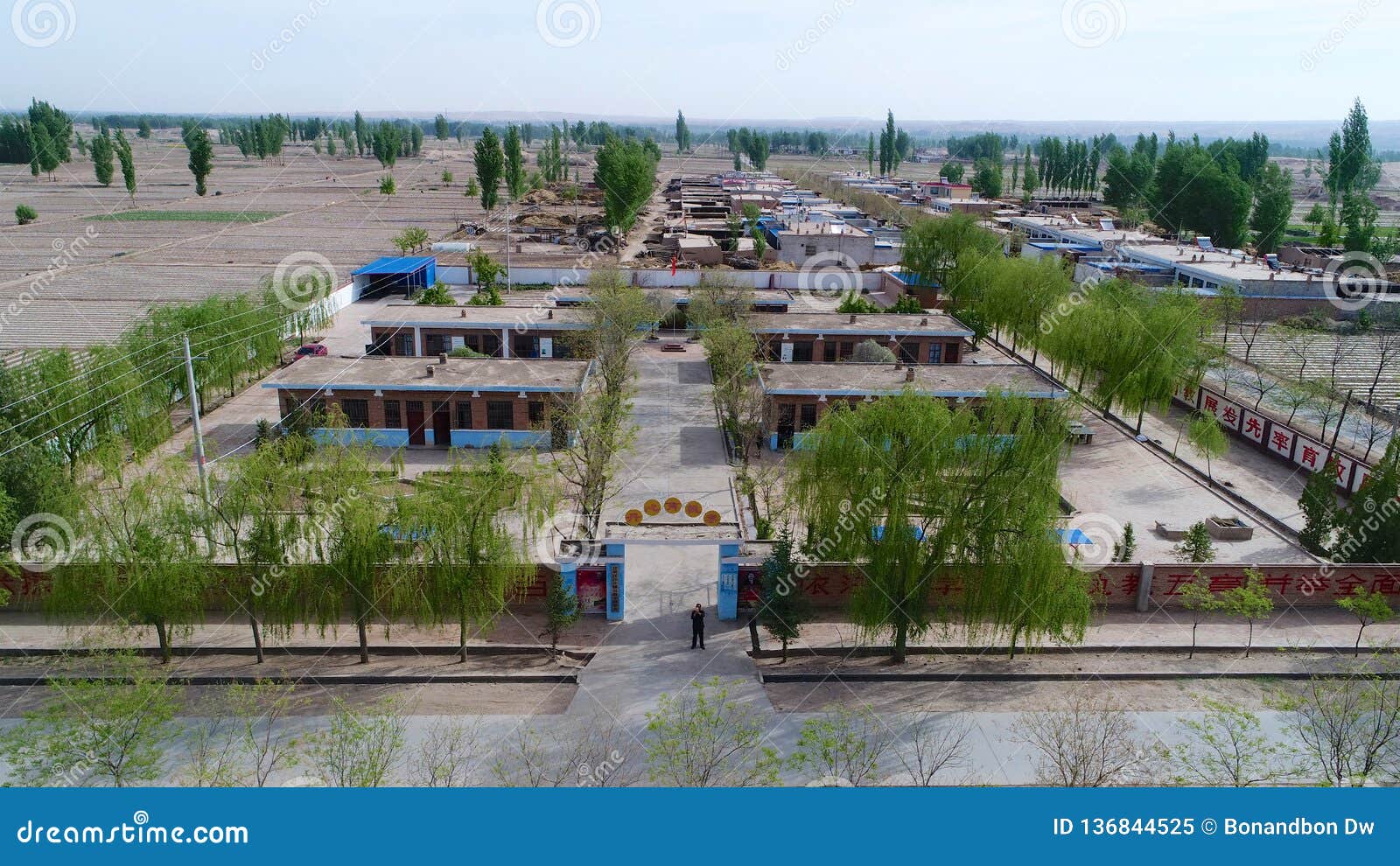
Gansu in August: A Tapestry of Temperatures and Terrain
August in Gansu Province, China, presents a complex and varied weather picture, far from a monolithic experience. This vast province, cradled between the Tibetan Plateau and the Loess Plateau, experiences significant temperature fluctuations dictated by its dramatic topography and its position on the edge of the Asian monsoon. Understanding the weather in August requires considering its diverse regions.
Temperature Variations Across Gansu:
Gansu's geography significantly impacts its August temperatures. The province encompasses high-altitude alpine regions, vast deserts, and fertile river valleys. This translates into dramatic temperature swings:
- High Altitudes (e.g., parts of the Hexi Corridor, near the Tibetan Plateau): Expect significantly cooler temperatures in August at higher elevations. Daytime highs might only reach the mid-teens to low twenties Celsius (60s to low 70s Fahrenheit), while nights can dip considerably lower, potentially even into single digits Celsius (high 30s to low 40s Fahrenheit). This area is prone to sudden changes in weather, with potential for afternoon thunderstorms.
- Desert Regions (e.g., Badain Jaran Desert): These areas experience scorching heat in August. Daytime temperatures can easily soar to the high thirties and even low forties Celsius (upper 90s to low 100s Fahrenheit), with intense sunshine and low humidity. Nights, however, offer a welcome respite, with temperatures dropping to the mid-twenties Celsius (mid-70s Fahrenheit).
- River Valleys (e.g., along the Yellow River): These valleys experience a more temperate climate in August. Daytime highs typically range from the mid-twenties to low thirties Celsius (mid-70s to low 90s Fahrenheit). Nights are relatively mild, usually staying above fifteen Celsius (mid-50s Fahrenheit). However, humidity can be higher here than in the desert regions.
- Lanzhou (Provincial Capital): Lanzhou, situated in a valley, generally enjoys daytime highs in the low to mid-thirties Celsius (low to mid-90s Fahrenheit) in August. Nights are typically pleasant, with temperatures around the mid-twenties Celsius (mid-70s Fahrenheit). However, the city is prone to occasional dust storms, especially during drier periods.
Precipitation and Other Weather Factors:
While August is generally a relatively dry month in much of Gansu, the potential for rainfall varies considerably:
- Eastern Gansu: This region experiences a higher chance of rainfall in August, often associated with the tail end of the monsoon season. This rainfall can be intense at times, leading to flooding in vulnerable areas.
- Western Gansu: The western regions, particularly the desert areas, are much drier in August, with minimal rainfall expected. However, strong winds are common, especially in the afternoons, sometimes creating dust storms.
- Sunshine: Expect abundant sunshine throughout most of Gansu in August, especially in the western and central parts. However, be prepared for cloudy skies and occasional showers in the eastern regions.
Planning Your Trip:
The best approach to planning a trip to Gansu in August depends heavily on your chosen destination and activities. For those heading to the higher altitudes, pack warm layers, even in the daytime. For desert areas, prioritize sun protection, including hats, sunglasses, and high SPF sunscreen. For the eastern regions, be prepared for potential rainfall and pack accordingly. Always check the local weather forecast before embarking on any outdoor activities.
In conclusion, August in Gansu offers a captivating but challenging weather experience. Understanding the significant variations in temperature and precipitation across the province is crucial for planning a successful and enjoyable trip. By carefully considering the specific region you'll be visiting and packing appropriately, you can navigate the diverse climatic conditions and fully appreciate the beauty and grandeur of Gansu.


