


Chasing Reflections: Your Ultimate Guide to Exploring the Majestic Yuanyang Rice Terraces
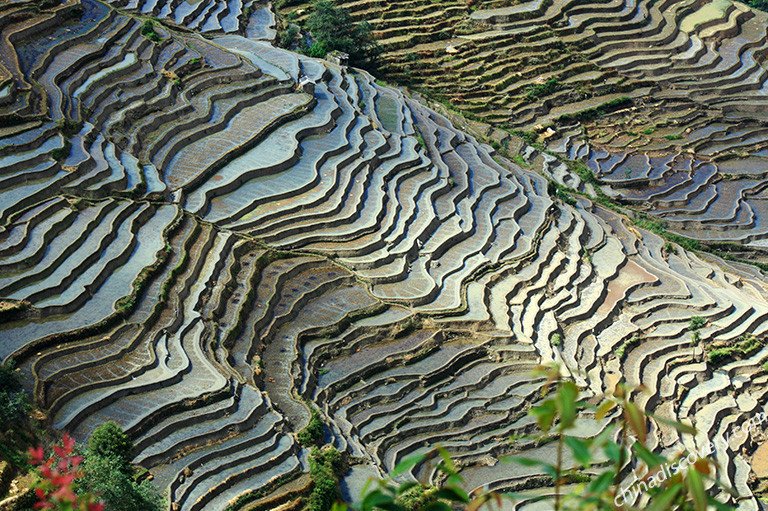
The Yuanyang Rice Terraces in Yunnan, China, are more than just a landscape; they are a living masterpiece, carved into the mountainsides over centuries by the ingenious Hani people. Picture this: cascading tiers of emerald green reflecting the sky, villages perched on slopes like precious jewels, and a culture deeply intertwined with the rhythms of the land. If you're considering a trip to this UNESCO World Heritage Site, prepare to be mesmerized. But before you pack your bags, let's dive into everything you need to know to make your journey unforgettable.
Why Yuanyang Rice Terraces? A Symphony of Nature and Culture
Unlike manicured gardens or sprawling fields, the Yuanyang Rice Terraces offer a raw, authentic beauty that speaks of human resilience and harmonious co-existence with nature. The scale is breathtaking, the views are panoramic, and the experience is deeply immersive. You'll witness the daily lives of the Hani people, observe their traditional farming practices, and feel a connection to the land that's rare to find in our modern world.
Planning Your Trip: Timing is Everything
One of the most crucial factors for a successful Yuanyang trip is choosing the right time to visit. The terraces transform throughout the year, each season offering a unique perspective:
- April to June (Rice Planting Season): This is arguably the most popular and picturesque time. The terraces are flooded, creating stunning reflections of the sky. Think mirror-like surfaces reflecting clouds, sunrise, and sunset. The fields are also being worked, providing opportunities to witness the Hani people planting rice seedlings.
- September to November (Harvest Season): The terraces transform into a sea of gold as the rice ripens. The air is filled with the scent of harvest, and the landscape glows with warmth. This is a fantastic time for photography, capturing the golden hues against the backdrop of the mountains.
- December to March (Post-Harvest/Winter): While the terraces are less vibrant during this period, they still offer a serene beauty. The fields are often left fallow, creating interesting patterns and textures. This is also the off-season, meaning fewer crowds and potentially lower prices. Be aware that it can get quite cold at this altitude during winter, so pack accordingly.
Choosing the Right Base: Xinjie and Beyond
As mentioned, Xinjie is the most common and convenient base for exploring the terraces. It offers a range of accommodation options, from budget guesthouses to more comfortable hotels, and provides easy access to several key viewpoints.
- Pros of Xinjie: Central location, numerous restaurants, ATMs, and a lively market.
- Cons of Xinjie: Can be crowded, especially during peak season.
However, consider these alternative options for a more immersive and potentially quieter experience:
- Duoyishu: Staying closer to Duoyishu allows you to wake up early and catch the famous sunrise views without the need for a long drive.
- Pugaolaozhai (老虎嘴): For those primarily interested in capturing the dramatic sunset at Tiger Mouth (Laohuzui), staying nearby can be advantageous.
- Smaller Villages: For a truly authentic experience, consider staying in a smaller village within the terraces. This will give you a chance to connect with the local community and immerse yourself in their way of life. However, be aware that accommodation options will be more basic, and you may need to arrange transportation in advance.
Getting There: Navigating the Journey
Reaching Yuanyang typically involves a bus journey from a larger city, most commonly Kunming.
- Kunming to Yuanyang (Xinjie): Buses depart from Kunming's South Bus Station (昆明南部客运站). The journey typically takes around 6-7 hours, and it's advisable to book your tickets in advance, especially during peak season.
- Jianshui to Yuanyang (Xinjie): If you're traveling from Jianshui, a charming ancient town, there are also buses available to Yuanyang.
Important Considerations:
- Bus Schedules: Bus schedules can change, so always double-check the departure times and frequency before you travel. Your hotel or guesthouse can usually assist with this.
- Altitude: Yuanyang is located at a relatively high altitude (around 1800 meters/5900 feet), so allow yourself time to acclimatize. Drink plenty of water and avoid strenuous activity upon arrival.
- Road Conditions: The roads leading to and around the terraces can be winding and steep. Be prepared for a bumpy ride.
Navigating the Language Barrier: Bridging the Communication Gap
English is not widely spoken in Yuanyang. Communicating with locals can be challenging, but here are a few tips to overcome the language barrier:
- Translation Apps: Download a translation app like Google Translate or Baidu Translate onto your phone. These apps can translate text and even speech in real-time.
- Learn Basic Mandarin Phrases: Mastering a few basic Mandarin phrases, such as "hello" (你好 - nǐ hǎo), "thank you" (谢谢 - xiè xiè), "how much?" (多少钱 - duō shao qián), and "where is...?" (…在哪里 - …zài nǎ lǐ), can go a long way in making your trip smoother and more enjoyable.
- Write Down Key Locations: Before you travel, write down the names of your hotel, the bus station, and other key locations in Chinese characters. This will make it easier to ask for directions.
- Use Gestures: Don't underestimate the power of gestures. Pointing, smiling, and using simple hand motions can often bridge the communication gap.
- Hire a Local Guide: Consider hiring a local guide who speaks both English and Mandarin. They can provide valuable insights into the local culture, translate for you, and help you navigate the area.
Photography Paradise: Capturing the Magic
Yuanyang is a photographer's dream. The changing light, the vibrant colors, and the intricate patterns of the terraces offer endless opportunities for stunning shots.
- Sunrise and Sunset: The sunrise and sunset are particularly magical times to photograph the terraces. Plan your visits to key viewpoints accordingly.
- Golden Hour: Arrive at your chosen viewpoint at least an hour before sunrise or sunset to secure a good spot and capture the beautiful golden hour light.
- Best Viewpoints: Duoyishu for sunrise, Bada for mid-morning light, and Tiger Mouth (Laohuzui) for sunset are popular choices. However, don't be afraid to explore lesser-known viewpoints for unique perspectives. The Longshuba rice terraces are also becoming increasingly popular.
- Weather: Be prepared for unpredictable weather. Fog and mist can often roll in, creating atmospheric and dramatic scenes. However, clear skies are also essential for capturing the vibrant colors of the terraces.
- Tripods: A tripod is essential for capturing sharp images, especially during low-light conditions.
- Lens Selection: A wide-angle lens is ideal for capturing the vastness of the landscape, while a telephoto lens can be useful for isolating details and compressing the perspective.
Respecting Local Culture: Tread Lightly
The Yuanyang Rice Terraces are not just a tourist destination; they are home to the Hani ethnic group, whose culture and traditions are deeply intertwined with the land. It's crucial to be respectful of their way of life.
- Dress Modestly: When visiting villages, dress modestly and avoid wearing revealing clothing.
- Ask Permission: Before taking photos of people, always ask for their permission.
- Support Local Businesses: Support the local economy by buying handicrafts, eating at local restaurants, and staying at locally owned guesthouses.
- Be Mindful of Noise: Keep noise levels down, especially in villages and near religious sites.
- Learn About Hani Culture: Take the time to learn about the Hani people and their traditions. This will enhance your understanding and appreciation of the terraces.
Beyond the Terraces: Exploring the Surrounding Area
While the rice terraces are the main attraction, there are other interesting places to explore in the surrounding area.
- Jianshui Ancient Town: A well-preserved ancient town with stunning architecture, including the Chaoyang Tower and the Confucian Temple.
- Shilin (Stone Forest): A UNESCO World Heritage Site featuring towering limestone formations. It's about a 3-4 hour drive from Yuanyang.
- Local Markets: Visit the local markets to experience the vibrant culture and sample local delicacies.
Essential Packing List:
- Comfortable Walking Shoes
- Layers of Clothing
- Rain Gear
- Sunscreen and Hat
- Insect Repellent
- First-Aid Kit
- Camera and Accessories
- Power Adapter
- Cash
In conclusion, a trip to the Yuanyang Rice Terraces is an experience that will stay with you long after you leave. By planning your trip carefully, respecting the local culture, and embracing the unexpected, you'll be rewarded with unforgettable memories and a deeper appreciation for the beauty and resilience of nature and humanity. So, pack your bags, grab your camera, and prepare to be mesmerized by the cascading emerald hills of Yuanyang.


