


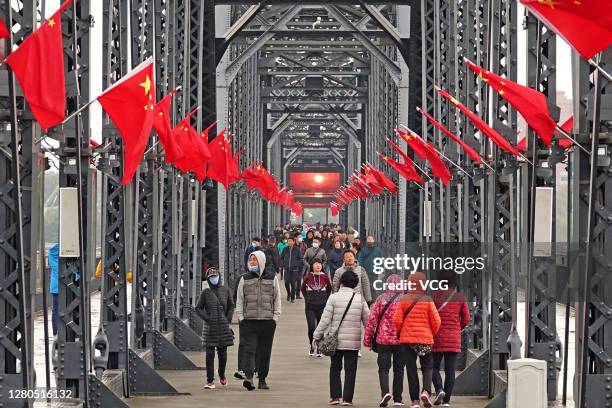
Crossing the Divide: An In-Depth Guide to Visiting the Yalu River Broken Bridge
The Yalu River Broken Bridge, a stark and poignant landmark straddling the border between China and North Korea, stands as a silent witness to a turbulent past and a complex present. More than just a historical relic, it's a gateway to understanding a unique geopolitical landscape and a powerful symbol of a divided peninsula. Planning a visit requires more than just booking a flight; it demands an appreciation for its historical significance and a respectful approach to the sensitive location. This guide will equip you with the knowledge and practical advice to make your visit to the Yalu River Broken Bridge a meaningful and enriching experience.
Unveiling the History: More Than Just Bricks and Mortar
The bridge's history is intrinsically linked to the Korean War (1950-1953). Originally built by the Japanese during their occupation of Korea, it served as a vital transportation link. However, the war brought destruction, leaving a section of the bridge bombed out, hence its name. This damaged section, poignantly still standing, serves as a tangible reminder of the conflict's devastating impact. For many Chinese, the bridge is a symbol of national pride and a testament to the sacrifices made during the war. You'll frequently encounter Chinese war veterans and their families paying homage to this significant historical site. Therefore, respectful observation and quiet contemplation are essential elements of your visit.
*(Insert Link to a relevant historical resource about the Korean War and the Yalu River Bridge here)*
Maximizing Your Experience: Tips for an Unforgettable Visit
Beyond the historical weight, the Yalu River Broken Bridge offers a unique perspective on North Korea. Standing on the Chinese side, you're afforded a glimpse into a rarely seen world, a country often shrouded in mystery. This makes careful planning crucial for a fulfilling visit:
1. Binoculars: Your Window to North Korea:
As suggested by TripAdvisor reviews https://www.tripadvisor.com/Attraction_Review-g303754-d1848152-Reviews-Yalu_River_Broken_Bridge-Dandong_Liaoning.html, bringing a good pair of binoculars is highly recommended. The distance to the North Korean side might seem considerable, but binoculars allow you to observe details often missed with the naked eye. You might catch glimpses of daily life across the river, offering a fascinating (though limited) window into North Korean society.
2. Photography: Capturing the Moment:
The dramatic landscape, the stark contrast between the damaged bridge and the flowing Yalu River, and the distant North Korean landscape present unparalleled photographic opportunities. However, remember to be mindful of any restrictions on photography near the border area. Check local regulations beforehand and err on the side of caution. Focus on capturing the overall scene and its historical significance rather than trying to take clandestine shots of North Korean installations.
3. Timing is Everything:
Visiting during daylight hours is paramount. The bridge's impact is significantly diminished in low light, and the North Korean side will be almost invisible at night. Aim for a day with clear skies for optimal viewing and photography. Consider the time of year as well; avoid the extreme heat of summer and the biting cold of winter.
4. Local Guides: Unveiling Deeper Insights:
While you can certainly visit independently, engaging a local guide can significantly enhance your experience https://koryogroup.com/blog/dandong-guide-broken-bridge. A guide can provide invaluable historical context, explain the geopolitical significance of the location, and offer insights into the local perspective. They can also help you navigate any language barriers and assist with understanding local customs and regulations.
5. Respectful Conduct: A Matter of Sensitivity:
Remember, you're visiting a site of immense historical significance and a location with significant geopolitical implications. Avoid any actions that could be interpreted as disrespectful or provocative. Adhere to all posted regulations and instructions from local authorities. Refrain from any actions that could be construed as an attempt to cross the border or interact with North Korean personnel.
6. Beyond the Bridge: Exploring Dandong:
Dandong itself is a fascinating city, offering a blend of modern development and historical charm. Consider spending some time exploring the city's other attractions, such as the Dandong Anti-Japanese War Museum or the Hushan Great Wall, to gain a broader understanding of the region's history and culture.
7. Safety and Practicalities:
- Check visa requirements for China before your trip.
- Ensure you have adequate travel insurance.
- Be aware of petty theft, as in any tourist destination.
- Learn a few basic Mandarin phrases – it can enhance your interactions with locals.
The Yalu River Broken Bridge is far more than just a tourist attraction; it's a place of profound historical and geopolitical significance. By carefully planning your visit and approaching it with respect and awareness, you can transform your trip into a deeply moving and educational experience. This journey will leave you with a greater understanding of the Korean War, the complex relationship between China and North Korea, and the enduring power of history to shape the present.


