


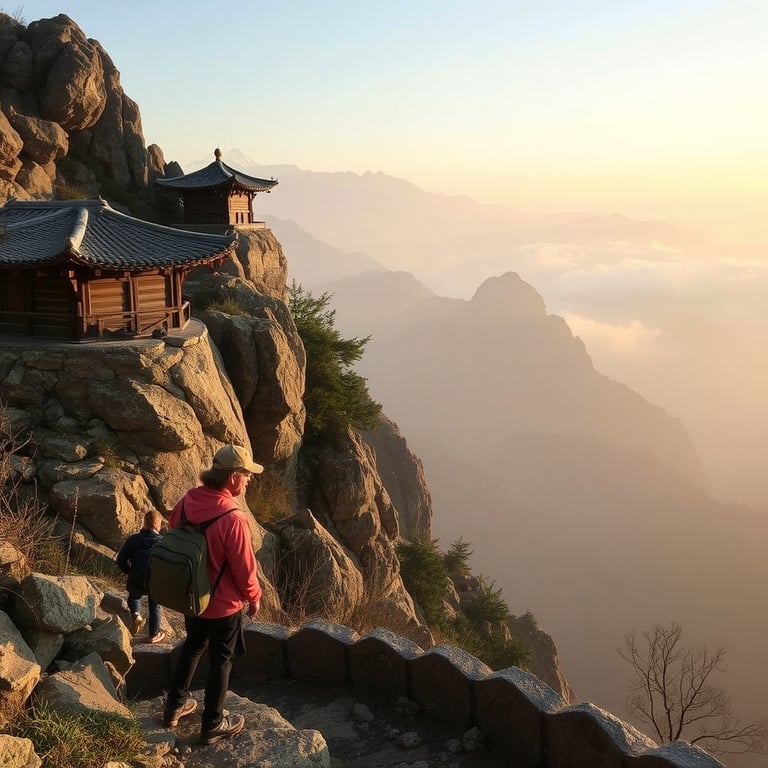
Ascending to Enlightenment: A Comprehensive Guide to Exploring Wutai Mountain's South Peak
Wutai Mountain, one of China's Four Sacred Buddhist Mountains, offers a journey unlike any other. Its South Peak, in particular, presents a breathtaking tapestry of stunning natural beauty woven intricately with profound spiritual significance. This isn't just a hike; it's a pilgrimage, a journey inward as much as it is a journey through breathtaking landscapes. This detailed guide will equip you for a truly enriching and memorable experience on the South Peak.
I. Timing Your Ascent: When to Visit Wutai Mountain's South Peak
The South Peak, like the rest of Wutai Mountain, experiences distinct seasonal shifts. While it's beautiful year-round, the optimal time to visit is during spring (April-May) and autumn (September-October). These seasons offer the most pleasant weather: mild temperatures perfect for hiking, clear skies revealing panoramic views, and a less crowded atmosphere compared to the peak summer months.
- Spring: Witness the mountain awakening from winter's slumber. Blossoming flowers paint the hillsides, creating a vibrant and refreshing backdrop to your spiritual journey.
- Autumn: Embrace the golden hues of autumn leaves. The crisp air and vibrant foliage offer a tranquil setting for contemplation and reflection.
Summer (June-August) can be extremely hot and humid, making hiking strenuous. Winter (November-March) brings snow and ice, potentially making certain trails inaccessible and significantly impacting your experience. While a winter visit can offer a unique, snow-covered perspective, it requires extensive preparation and perhaps even the assistance of a local guide.
II. Embarking on the Trail: Preparing for Your Hike
Hiking the South Peak is integral to the experience. The trails vary in difficulty, so it's crucial to assess your fitness level and choose accordingly. Regardless of the trail you choose, thorough preparation is essential:
- Comfortable Footwear: Sturdy, well-broken-in hiking boots are a must. Avoid sandals or flip-flops, as the terrain can be uneven and rocky.
- Appropriate Clothing: Dress in layers to adjust to changing weather conditions. Bring moisture-wicking fabrics to keep you comfortable. Modest attire is essential out of respect for the sacred nature of the site.
- Hydration and Sustenance: Carry plenty of water, especially during warmer months. Pack energy bars or snacks to maintain your energy levels throughout the hike.
- Sun Protection: The sun can be intense, even on cloudy days. Bring sunscreen, sunglasses, and a hat.
- Navigation: Download offline maps or consider hiring a guide, particularly if you're unfamiliar with the trails.
- First-Aid Kit: Be prepared for minor injuries with a basic first-aid kit.
III. Immerse Yourself in Culture: Respect and Etiquette
Wutai Mountain's South Peak is a sacred site for Buddhists. Show respect by adhering to local customs and practices:
- Modest Dress: Cover your shoulders and knees. Avoid wearing revealing clothing.
- Quiet Demeanor: Maintain a quiet and respectful attitude within temples and prayer areas.
- Photography: Be mindful when taking photographs, especially inside temples. Avoid intrusive or disrespectful shots.
- Offerings: If you wish to make an offering, do so respectfully and in accordance with local customs. Observe how others are making offerings for guidance.
- Interactions: Engage respectfully with pilgrims and monks. Avoid disturbing their practices or meditations.
IV. Finding Your Sanctuary: Accommodation Options
A stay near Wutai Mountain enriches the experience immensely. You have several options:
- Local Guesthouses: Immerse yourself in local culture by staying in a guesthouse in nearby towns like Dai County. These often offer a more authentic and budget-friendly experience.
- Hotels: More luxurious options are available in towns surrounding the mountain, offering greater comfort and amenities.
- Temples (Limited Options): Some temples may offer limited accommodation for pilgrims. This is a unique experience, but requires pre-arrangement and may be subject to availability.
V. Unveiling the History: Guided Tours
While exploring independently offers freedom, a guided tour offers invaluable insights into the rich history and cultural significance of the South Peak. A knowledgeable guide can illuminate the stories behind the temples, statues, and landscapes, deepening your understanding and appreciation of this sacred place. Several tour operators cater to Wutai Mountain, and you can find them through online searches or travel agencies.
VI. Resources for Further Exploration:
- Windhorse Tour: This website offers a general overview of the Four Sacred Buddhist Mountains, including Wutai.
- Wild Great Wall: This resource provides a comprehensive travel guide to Mount Wutai.
- Local Travel Agencies: Consider booking a guided tour or consulting local agencies for up-to-date information on trail conditions, accommodation, and transportation.
Climbing Wutai Mountain's South Peak is more than just a physical ascent; it's a spiritual journey. By preparing meticulously and approaching the experience with respect and mindfulness, you can unlock a profound and unforgettable encounter with both the stunning natural beauty and the rich Buddhist heritage of this remarkable place. Remember to be flexible, embrace the unexpected, and allow the serenity of the mountain to guide your path.


