


Embracing the Majesty: A Comprehensive Guide to Exploring the Tarim Poplar Forest
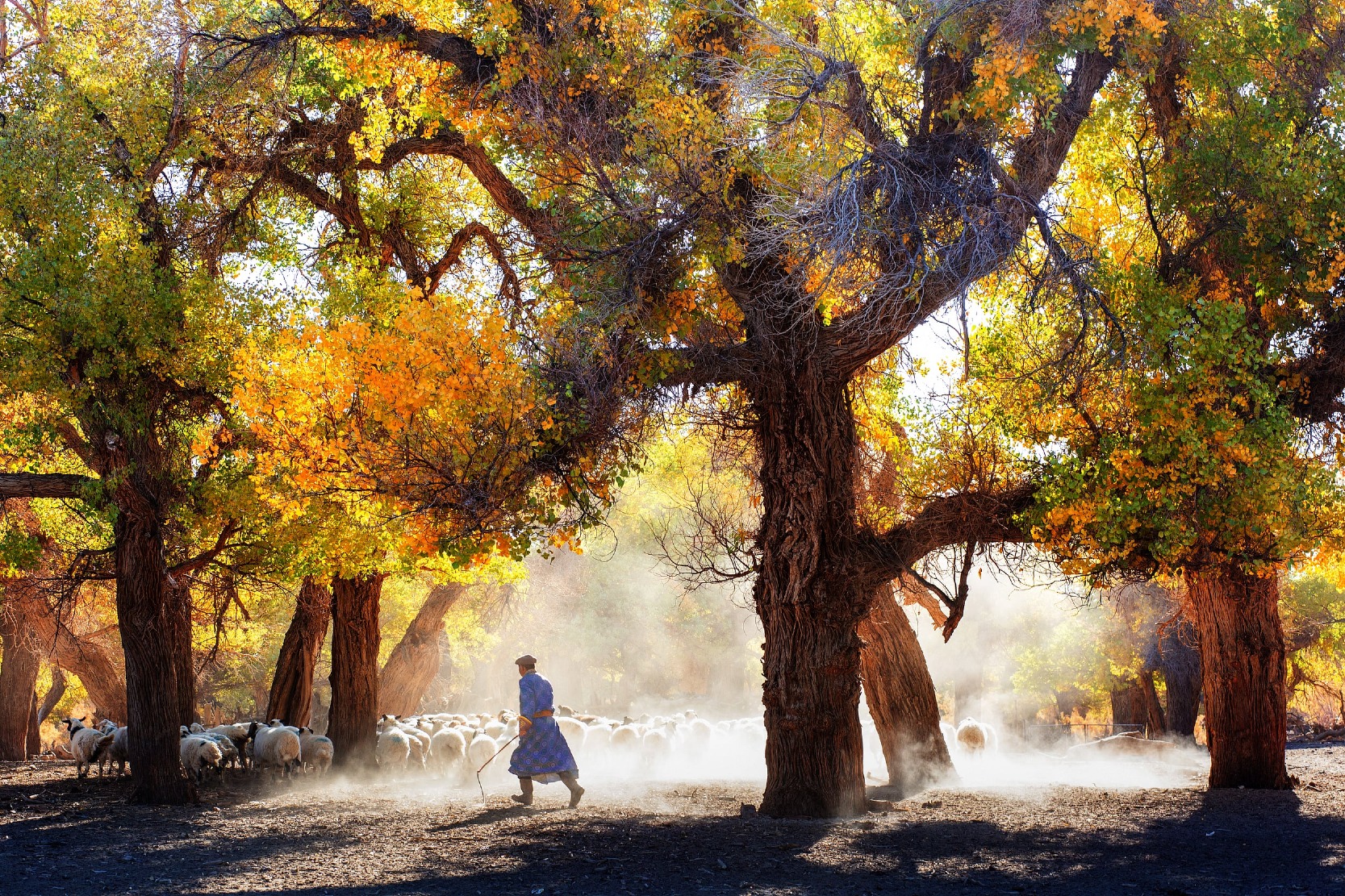
The Tarim Poplar Forest, a breathtaking expanse of ancient, resilient trees in Xinjiang, China, offers a travel experience unlike any other. This isn't just a forest; it's a living testament to nature's tenacity, a landscape sculpted by harsh desert winds and the life-giving Tarim River. Planning a trip requires careful consideration, and this guide aims to equip you with the knowledge to make the most of your journey to this remarkable destination.
Timing is Everything: Chasing Autumn's Embrace
The best time to visit the Tarim Poplar Forest is undeniably autumn. As noted in the introductory tips, the transformation is magical. The leaves of the Populus euphratica, also known as the diverse-leaf poplar, shift from vibrant greens to a kaleidoscope of golden yellows, fiery oranges, and deep reds. This spectacle, lasting typically from September to October, is the highlight of any visit. Imagine yourself amidst a sea of color, the sun casting long shadows across the ancient trunks, the air crisp and invigorating. The less crowded shoulder seasons (September and early October) offer a sweet spot balancing vibrant colors with fewer crowds. Avoid peak season if possible, as the popularity of this stunning location is increasing rapidly.
Accessing the Heart of the Desert: Transportation and Logistics
The Tarim Poplar Forest's location, near the Tarim River in Xinjiang, presents a unique logistical challenge. It's not easily accessible by public transport; hence, careful planning is essential.
Organized Tours:
The most convenient option is to book a guided tour. Many reputable companies offer day trips or multi-day excursions that include transportation from nearby cities like Luntai. These tours often provide invaluable local insights and streamline the process. Researching and booking in advance, especially during peak season, is highly recommended.
Independent Travel:
For the intrepid traveler, self-guided exploration is possible, but it requires more meticulous planning. This involves arranging transportation to Luntai, potentially hiring a car with a driver (crucial for navigating the region), or relying on public buses with potentially long travel times and infrequent schedules. Knowledge of basic Mandarin would be beneficial.
Internal Transportation Within the Forest:
Once within the forest, you'll likely be exploring on foot. The terrain is relatively flat, but sturdy shoes are essential for navigating potentially sandy or uneven paths.
Capturing the Essence: Photography in the Tarim Poplar Forest
The Tarim Poplar Forest is a photographer's paradise. The unique shapes of the trees, their vibrant colors in autumn, and the dramatic interplay of light and shadow create endless opportunities for stunning shots.
Golden Hour Magic:
The best light for photography is during the golden hour, the hour after sunrise and the hour before sunset. The soft, warm light accentuates the colors of the leaves and creates a magical atmosphere.
Composition is Key:
Consider the composition of your shots. Experiment with different angles and perspectives to capture the scale and beauty of the forest. Focus on the intricate details of the bark, the way the light filters through the branches, or the overall expanse of the forest.
Gear Recommendations:
A DSLR or mirrorless camera with a wide-angle lens is ideal for capturing landscape shots. A telephoto lens can be useful for isolating details, while a tripod is essential for sharp shots, especially in low light conditions.
Drone Photography:
If permitted (check regulations beforehand), drone photography can offer breathtaking aerial perspectives of the forest and the winding Tarim River.
Cultural Sensitivity and Environmental Stewardship
Respect for local customs and the environment is paramount when visiting the Tarim Poplar Forest.
- Dress Modestly: Xinjiang is a region with a rich cultural heritage. Dressing modestly, particularly when visiting local villages, is a sign of respect.
- Leave No Trace: Pack out all trash and avoid disturbing the natural environment. Stay on marked trails and refrain from damaging or removing any plants or trees.
- Learn Basic Mandarin Phrases: Even a few basic Mandarin phrases can enhance your interactions with locals and show respect for their culture.
- Support Local Businesses: Consider patronizing local businesses and restaurants to contribute to the local economy and experience the region's culture more authentically.
Practical Preparations: Packing for the Unexpected
The Tarim Poplar Forest experiences extreme temperature fluctuations, particularly between day and night. Careful preparation is essential for a comfortable experience.
- Layering is Crucial: Pack layers of clothing, including warm jackets, sweaters, long-sleeved shirts, and comfortable trousers. The desert can get surprisingly cold at night, even during autumn.
- Sun Protection: The desert sun can be intense. Bring sunscreen, sunglasses, and a hat to protect yourself from harmful UV rays.
- Hydration is Key: Carry plenty of water, especially during hikes. Dehydration can be a serious concern in the desert climate.
- Snacks and Provisions: Amenities may be limited within the forest. Pack snacks and energy bars to keep your energy levels up.
- First-Aid Kit: A basic first-aid kit is always a good idea, especially when venturing into remote areas.
Further Exploration and Resources
For more detailed information, consult the resources mentioned in the introduction:
Exploring the Tarim Poplar Forest is a journey into the heart of nature's resilience and beauty. With careful planning and a respectful approach, you can embark on an unforgettable adventure, creating memories that will last a lifetime. Remember to always prioritize responsible travel and contribute positively to the preservation of this unique and precious ecosystem.


