


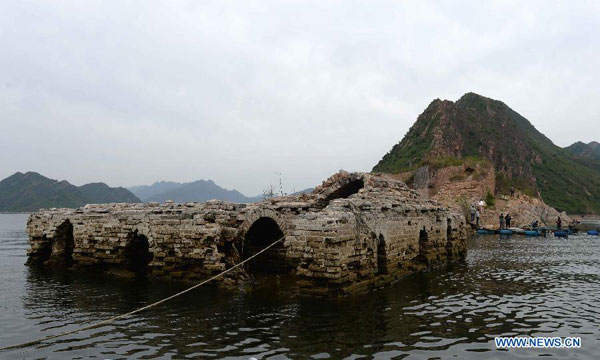
Diving into History: A Comprehensive Guide to Exploring the Underwater Great Wall at Panjiakou Reservoir
The Great Wall of China, a symbol of resilience and ancient engineering, stretches for thousands of miles. But its story isn't confined to the land above. Submerged beneath the waters of the Panjiakou Reservoir in Hebei Province lies a unique and captivating segment: the underwater Great Wall. This submerged marvel offers a truly extraordinary diving experience, a chance to explore history from a completely different perspective. However, this isn't a casual weekend trip; it requires careful planning and preparation. This blog post aims to provide a comprehensive guide, ensuring your dive into history is both safe and memorable.
1. Diving into the Depths: Certification and Guidance are Crucial
The first and most critical aspect of planning your trip is your diving experience. This isn't a location for beginner divers. The Panjiakou Reservoir’s underwater conditions can be challenging, with varying visibility and potential currents. As emphasized by sources like World Nomads (https://www.worldnomads.com/explore/eastern-asia/china/scuba-diving-the-great-wall-of-china-at-panjiakou-reservoir-china), a valid scuba diving certification is absolutely essential. Furthermore, strongly consider diving with a reputable local guide familiar with the site’s unique challenges and nuances. A guide not only enhances safety but also adds a richer layer to your experience, providing historical context and pointing out significant features you might otherwise miss. Think of it as having a personal historian accompanying you on your underwater journey.
2. Timing is Everything: Optimizing Your Underwater Visibility
The best time to visit Panjiakou Reservoir for diving is during the warmer months, typically from late spring to early autumn (approximately May to September). During this period, water visibility tends to be significantly better, allowing for clearer views of the submerged wall and its surrounding environment. Cooler months often bring reduced visibility due to sediment and lower water temperatures, potentially making the dive less enjoyable and even more challenging. Check weather forecasts and water condition reports closer to your planned trip to ensure optimal conditions.
3. Protecting Your Investment: The Importance of Travel Insurance
Diving carries inherent risks, and unforeseen circumstances can arise. Purchasing comprehensive travel insurance that specifically covers diving activities is a non-negotiable precaution. This coverage protects you against potential medical expenses, evacuation costs, and loss of equipment in case of an accident or emergency. The peace of mind this provides is invaluable, allowing you to fully focus on the awe-inspiring experience of exploring the underwater Great Wall.
4. Gear Up: Your Own Equipment or Reliable Rentals?
While rental equipment might be available near the reservoir, bringing your own gear is highly recommended. This allows you to ensure the equipment is in optimal condition and fits you perfectly, maximizing your comfort and safety underwater. If you do opt for rentals, meticulously inspect every piece of equipment before use, paying close attention to its overall condition and functionality. Don't hesitate to ask questions and seek reassurance from the rental provider. Your safety shouldn't be compromised.
5. Navigating Regulations: Respecting the Rules and the Site
Before embarking on your underwater adventure, thoroughly research and familiarize yourself with the local diving regulations and guidelines for the Panjiakou Reservoir. These regulations are in place to protect both the environment and the divers. Understanding and adhering to these rules ensures a safe and enjoyable experience for everyone. Respect for the environment is paramount. Avoid touching or disturbing the historical structures, and practice responsible diving techniques to minimize any impact on the fragile ecosystem.
6. Finding Your Base: Accommodation Options Near the Reservoir
Accommodation options might be limited directly around the Panjiakou Reservoir. It's advisable to plan your lodging in nearby areas within Hebei Province. Research towns and cities within a reasonable driving distance, considering factors like accessibility, amenities, and overall comfort. Booking your accommodation in advance is crucial, especially during peak season, to avoid any last-minute disappointments.
7. A Journey of Respect: Cultural Sensitivity and Environmental Awareness
The underwater Great Wall is not just a diving site; it's a significant historical and cultural landmark. Approach your visit with respect and understanding of its historical significance. Remember that you're exploring a piece of China's rich past. Avoid any actions that could damage the site or disrespect its cultural importance. This includes refraining from littering, adhering to any designated areas, and maintaining a respectful demeanor throughout your visit.
Conclusion: An Unforgettable Underwater Expedition
Diving at the Panjiakou Reservoir offers a unique and unforgettable opportunity to explore a hidden chapter of the Great Wall’s history. By following these travel tips and prioritizing safety and respect, you can ensure your underwater journey is as awe-inspiring as it is responsible. Remember to consult additional resources, such as the articles highlighted by Scuba Diving magazine (https://www.scubadiving.com/meet-man-who-dives-great-wall-china) for further insights into the experience and the people who have made this unique dive possible. Plan carefully, prepare thoroughly, and dive into an unforgettable adventure.


