


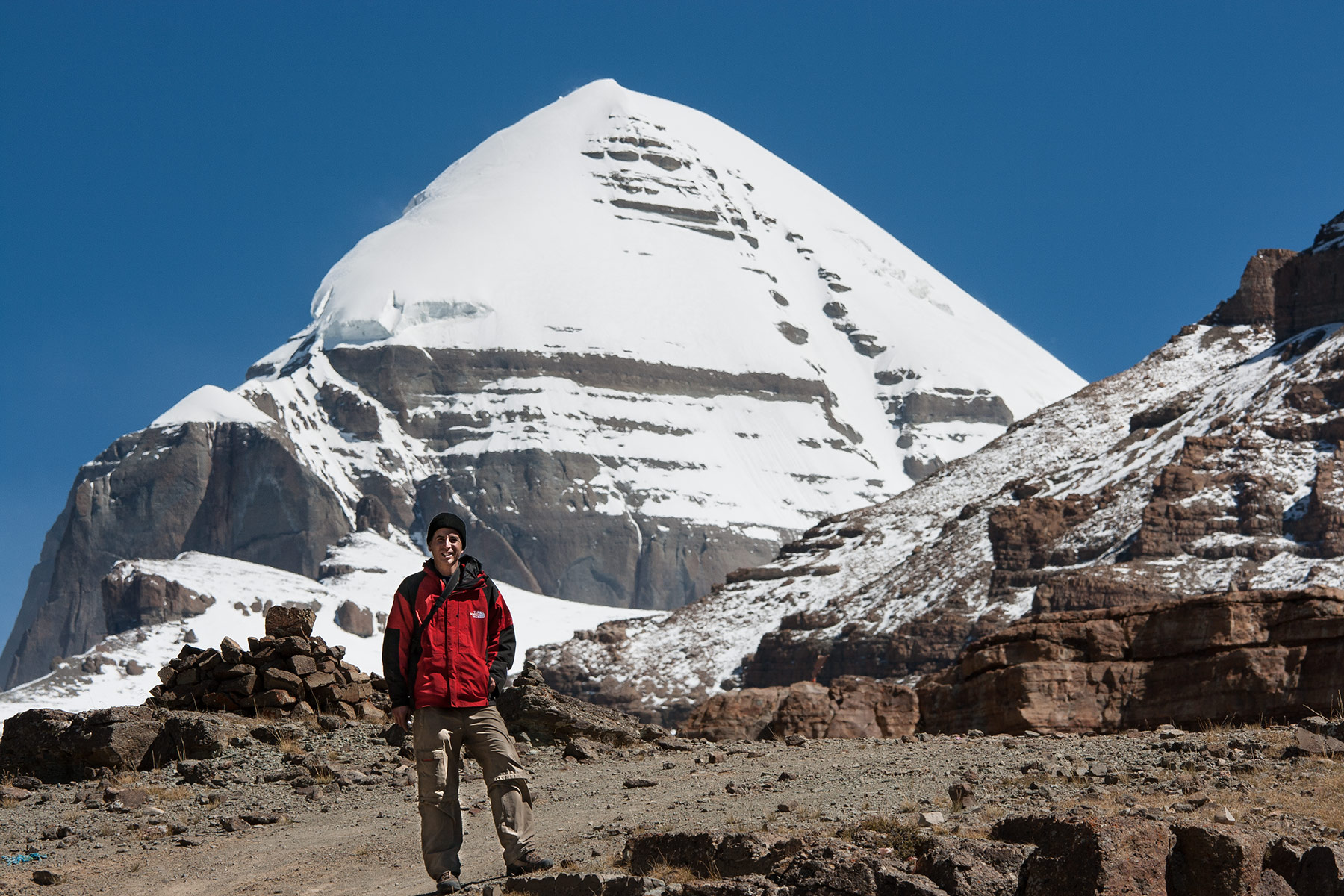
Conquering the Celestial Mountain: A Comprehensive Guide to Trekking Mount Kailash from the Chinese Side
Mount Kailash, the enigmatic peak revered by Buddhists, Hindus, Jains, and Bonpos, stands as a beacon of spiritual significance and a challenging trekking destination. While the Nepali side offers a slightly more accessible route, the Chinese side, with its unique cultural immersion and stunning landscapes, provides a profoundly different and equally rewarding experience. This detailed guide will navigate you through the intricacies of planning a pilgrimage or trek to Mount Kailash from the Chinese side, ensuring a safe, respectful, and unforgettable journey.
I. Navigating the Bureaucracy: Permits and Visas
Before even considering the breathtaking vistas, you must secure the necessary travel documents. This is arguably the most crucial step and requires meticulous planning. The process involves two primary elements:
- Chinese Tourist Visa: This is your entry ticket to China. Apply well in advance through your nearest Chinese embassy or consulate, providing all the required documentation. Be prepared for a thorough application process and potential interview. [This isn't directly linked to the Kailash permits, but failing to have this will stop you before you begin.]
- Tibet Travel Permits: This is where things get complex. Unlike simply obtaining a visa, Tibet permits require navigating a more intricate system. You cannot obtain these independently. They are issued through authorized travel agencies in China who handle the necessary paperwork with the local authorities. These permits include the Tibet Entry Permit and the Kailash permit, both absolutely essential. Booking a tour is highly recommended for this reason alone; it streamlines the often-daunting bureaucratic hurdles.
II. Timing Your Ascent: The Best Time to Visit
The high altitude and unpredictable weather of the Tibetan Plateau dictate the optimal time for your Kailash journey. The best time to visit is during the peak season, from late April to early October. During these months, the weather is generally more favorable, with less snow and more predictable conditions, making the trek safer and more enjoyable. However, be prepared for fluctuating temperatures, even within a single day.
III. Acclimatization: Preparing Your Body for the Heights
Mount Kailash sits at an altitude exceeding 4,500 meters (14,764 feet). Ignoring the importance of acclimatization is a recipe for altitude sickness, a potentially life-threatening condition. Before embarking on the Kailash trek, you should spend several days, ideally a week, acclimatizing at lower altitudes. Lhasa (3,650 meters) is a common acclimatization point, allowing your body to adjust gradually to the thinner air. During this time, avoid strenuous activity and drink plenty of water to stay hydrated. Symptoms of altitude sickness include headaches, nausea, shortness of breath, and dizziness. If you experience any of these, descend immediately to a lower altitude.
IV. Embarking on the Kora: Preparing for the Spiritual Trek
The Kora, the circumambulation of Mount Kailash, is a deeply spiritual journey for many pilgrims. It's a challenging trek, averaging 52 kilometers (32 miles) and requiring significant physical stamina. Before undertaking the Kora, ensure you're in good physical condition. Consult your doctor, and undertake regular training that simulates the arduous trek.
Essential Gear for the Kora:
- Sturdy Hiking Boots
- Layers of Clothing
- Sunscreen and Sunglasses
- Hat and Gloves
- Water Bottles or Hydration Pack
- Trekking Poles
- First-aid kit
- Headlamp or Flashlight
V. Respecting the Sacred: Cultural Sensitivity and Etiquette
Mount Kailash is a sacred site for several religions, and utmost respect for local customs and traditions is paramount. Dress modestly, avoid loud noises or disruptive behavior, and refrain from littering. Be mindful of prayer flags and other religious symbols, treating them with reverence. Learn a few basic Tibetan phrases to show your respect. The experience is far richer when approached with humility and understanding.
VI. Logistics and Travel Arrangements: Guided Tours vs. Independent Travel
While independent travel is possible, it's considerably more challenging due to the permit requirements and logistical complexities. Joining a guided tour is highly recommended. Reputable agencies handle permit acquisition, transportation, accommodation, and provide valuable insights into the region's culture and history. They also offer support and assistance throughout the journey, ensuring a smoother and safer experience. Thoroughly research agencies, reading reviews and comparing itineraries before making a decision.
VII. Resources and Further Information:
The information provided above is a starting point. For more in-depth information, explore the following resources:
- China Highlights - Offers a comprehensive travel guide with practical tips and itinerary suggestions.
- Tibet Travel - Provides information on getting to Mount Kailash, including transportation options.
- Other reputable travel blogs and forums: Search for firsthand accounts and practical advice from other travellers.
Conclusion:
A journey to Mount Kailash from the Chinese side is a pilgrimage of a lifetime, demanding preparation, respect, and a spirit of adventure. By meticulously planning your trip, acclimatizing properly, and respecting the sacredness of the site, you can embark on a deeply transformative and awe-inspiring experience. Remember, this journey is as much about inner reflection as it is about the breathtaking beauty of the Himalayas. Embrace the challenge, and the rewards will be immeasurable.


