


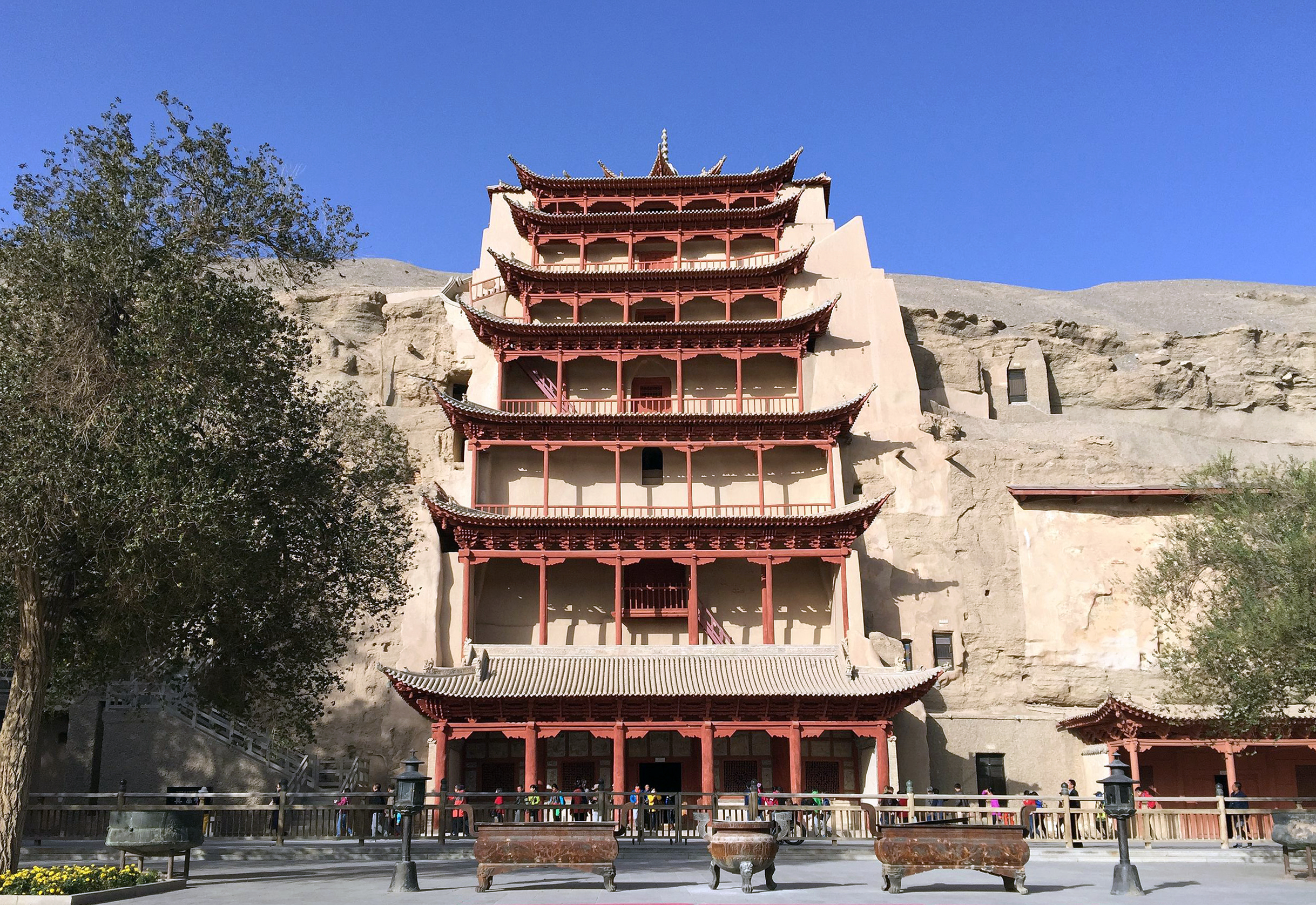
Unlocking the Secrets (Responsibly): A Traveler's Guide to the Unopened Caves of Mogao Grottoes
The Mogao Grottoes, a UNESCO World Heritage site nestled in the Gobi Desert, are a breathtaking testament to human creativity and religious devotion. Thousands of caves, adorned with vibrant murals and intricate sculptures spanning centuries, beckon visitors from across the globe. However, a veil of mystery shrouds many of these caves, remaining unopened to the public. This isn't due to some grand conspiracy, but rather a crucial commitment to preservation – a testament to the fragility of these invaluable historical artifacts. This blog post will delve into the mystique surrounding the unopened caves of Mogao, offering insights into what lies behind the closed doors and providing crucial tips for responsible exploration of this extraordinary site.
Understanding the Closed Caves: A Matter of Preservation
The Mogao Grottoes’ significance extends far beyond their visual splendor. These caves house a treasure trove of ancient Buddhist scriptures, silk paintings, and other artifacts that offer unparalleled glimpses into the cultural and religious landscape of centuries past. The closure of numerous caves, including the renowned Library Cave (Cave 17), is a direct consequence of the need to protect these irreplaceable treasures from deterioration caused by light, humidity, and human interaction. Imagine the delicate pigments of centuries-old murals fading under constant exposure, or the fragility of ancient texts crumbling under the touch of countless hands. The decision to keep certain caves closed is not a restriction, but a necessary preservation measure, ensuring that these invaluable cultural relics endure for generations to come.
What You Can See (and What You Can't): A Realistic Expectation
While you won't be able to peer into every cave, the sheer number of open caves remains astounding. The accessible caves offer a richly diverse representation of artistic styles and religious themes that span different historical periods. You'll witness the evolution of Buddhist art in China, from the simple yet evocative early cave paintings to the more elaborate and ornate later styles. Focus on immersing yourself in the artistry and history of these accessible caves; they themselves offer an incredible journey through time.
Remember, the restricted caves aren't simply locked away. Many are undergoing meticulous conservation and restoration work, a process that often involves advanced technology and dedicated expertise. The ultimate goal is to ensure the longevity of these invaluable artifacts, preserving them for future generations to appreciate.
Maximizing Your Mogao Grottoes Experience: Practical Tips
1. Plan Ahead: Access and Information are Key:
Before your visit, thoroughly check the official website of the Mogao Grottoes (unfortunately, there isn't a single, consistently updated English-language website, so research across different sources is recommended). Local tourism information centers in Dunhuang can also provide valuable up-to-date information on which caves are currently open to the public. Flexibility is crucial, as accessibility may change based on conservation efforts or other unforeseen circumstances.
2. Embrace Guided Tours: Unlocking Deeper Understanding:
A guided tour is invaluable for fully appreciating the Mogao Grottoes. Experienced guides can provide context, shedding light on the historical, artistic, and religious significance of the caves. They can explain the symbolism embedded in the murals and sculptures, helping you understand the narratives and beliefs they depict. Furthermore, guides often possess up-to-date knowledge regarding which caves are open and what specific aspects of each cave are most noteworthy.
3. Photography with Respect: Capture the Essence, Not the Damage:
Photography is often permitted in many of the open caves, but restrictions may apply to certain areas to minimize light exposure and potential damage. Always be mindful of the guidelines provided and refrain from using flash photography, which can damage delicate pigments. Respect the designated areas and avoid any actions that could harm the artworks. Focusing on capturing the overall atmosphere and details of the art, rather than snapping numerous close-up shots, is a respectful approach.
4. Respect the Site: Leave No Trace:
The Mogao Grottoes are a fragile ecosystem, both environmentally and culturally. Respect the delicate environment by adhering to all regulations, avoiding littering, and refraining from touching any artifacts or murals. Your responsible behavior contributes to the preservation of this invaluable historical site for future generations.
5. Beyond the Caves: Explore Dunhuang's Rich Cultural Heritage:
Dunhuang is far more than just the Mogao Grottoes. The city boasts a rich cultural heritage, with other attractions that complement a visit to the caves. Explore the nearby Crescent Lake and the Singing Sand Dunes for a broader understanding of the region’s natural beauty and cultural significance.
Conclusion: A Responsible Journey Through Time
While the unopened caves of Mogao Grottoes remain veiled from immediate view, understanding the reasons behind their closure adds another layer of fascination to the experience. Focusing on appreciating the accessible caves, coupled with responsible behavior and a deep respect for the site, ensures that your visit becomes a meaningful journey through time, preserving the legacy of these extraordinary cultural treasures for future generations. By acknowledging the limitations and embracing the opportunity to witness the accessible caves, you contribute to the ongoing preservation of this unparalleled world heritage site.
Relevant Links:
- Wikipedia (Mogao Caves): https://en.wikipedia.org/wiki/Mogao_Caves
- WindhorseTour (Mogao Grottoes): https://windhorsetour.com/blog/must-visit-attraction-dunhuang-mogao-grottoes *(Note: Always verify information from multiple sources, as tourism information changes)*


