


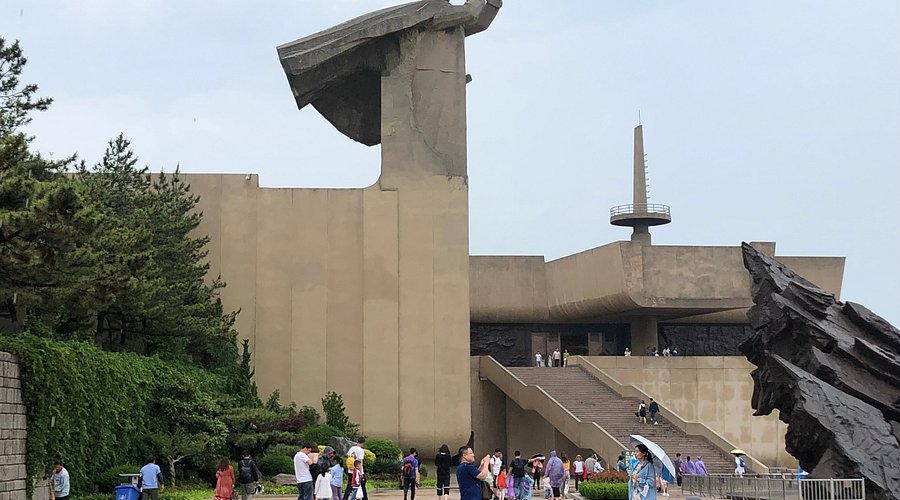
Delving into History: A Comprehensive Guide to Visiting the Lushun Museum
The Lushun Museum, nestled within the historic port city of Lushun (also known as Port Arthur) in Dalian, China, stands as a poignant testament to a pivotal chapter in the nation's history. More than just a collection of artifacts, it's a journey through the trials and tribulations of a city scarred by war and occupation, offering a powerful and often emotionally resonant experience. Planning a visit requires more than just a quick glance at opening hours; it necessitates an understanding of the context and a respectful approach to the sensitive nature of the museum's content. This guide aims to provide you with a detailed and insightful plan for your visit, ensuring a meaningful and enriching experience.
1. Understanding the Historical Context: A Foundation for Appreciation
The Lushun Museum's significance rests heavily on its portrayal of the First Sino-Japanese War (1894-1895) and the Russo-Japanese War (1904-1905), both of which profoundly impacted the city. The museum's exhibits delve deep into these conflicts, showcasing their brutal realities and lasting consequences for the Chinese people. The Lushun Mass-grave Memorial, a particularly poignant element, serves as a sobering reminder of the immense human cost of these wars. Before your visit, take some time to familiarize yourself with these historical events. Understanding the background will allow you to engage more deeply with the exhibits and truly appreciate their emotional weight.
Several resources can help you prepare:
- Academic Articles and Books: Search for scholarly works on the First Sino-Japanese War and the Russo-Japanese War. A good starting point might be university libraries' online resources, such as the one referenced in this article: https://pdxscholar.library.pdx.edu/cgi/viewcontent.cgi?article=1917&context=honorstheses This link may provide further leads to relevant research.
- Documentary Films: Numerous documentaries explore these conflicts and the impact on Lushun. Seeking these out can provide a powerful visual accompaniment to your research.
- Online Encyclopedias: Websites like Britannica and Wikipedia offer general overviews of the wars and the history of Lushun. Use these as introductory resources to build a foundational understanding.
By investing time in pre-visit research, you will not only enhance your museum experience but also demonstrate a level of respect for the gravity of the historical events depicted.
2. Planning Your Visit: Logistics and Efficiency
Unlike some free museums in China, the Lushun Museum likely has an entrance fee. Confirming the current price and opening hours before your visit is crucial. Check the museum's official website (if available) or contact them directly. TripAdvisor can also be a useful resource for up-to-date information on entry fees and visitor reviews: https://www.tripadvisor.com/Attraction_Review-g297452-d506069-Reviews-Lushun_Port_Arthur-Dalian_Liaoning.html
Visiting during weekdays will significantly reduce the likelihood of encountering large crowds, allowing for a more contemplative and thorough exploration of the exhibits. Allocate ample time for your visit – rushing through such a historically significant location diminishes its impact. Consider setting aside at least 2-3 hours, depending on your pace and interest level.
3. Exploring Nearby Attractions: Expanding Your Lushun Experience
Lushun is rich in historical sites beyond the main museum. The Russo-Japanese Prison Museum offers a chilling insight into the harsh realities of imprisonment during the Russo-Japanese War, complementing the narratives presented at the Lushun Museum. The Lushun Submarine Force Museum provides a fascinating glimpse into naval history and offers a contrasting perspective to the land-based conflicts highlighted elsewhere. Planning your itinerary to include these attractions allows for a more comprehensive understanding of Lushun's past. Researching their opening hours and locations beforehand will allow for efficient travel between sites.
4. Photography: Respect and Sensitivity
While photography can be a valuable tool for documenting your visit, exercise caution and respect within the museum. Some areas may have restrictions on photography, particularly those of a sensitive nature, such as the mass grave memorial. Always be mindful of others and avoid disrupting the atmosphere of reflection. Pay attention to any signage indicating photography restrictions and adhere to them strictly. It’s always best to err on the side of caution and ask museum staff if you are unsure.
5. Local Cuisine: A Culinary Conclusion to Your Journey
After your emotionally engaging visit to the Lushun Museum, reward yourself with the delicious local cuisine of Dalian. Numerous restaurants surround the museum and offer a diverse range of dishes. This culinary exploration can serve as a pleasant counterpoint to the often somber reflections prompted by the museum's exhibits. Look for local specialties and immerse yourself in the vibrant Dalian food scene – a perfect way to conclude your historical exploration.
In Conclusion:
The Lushun Museum offers a profound and moving experience, providing a window into a critical period of Chinese history. By carefully planning your visit, understanding the historical context, and respecting the sensitivities involved, you can ensure a meaningful and impactful journey. Remember that this is not just a sightseeing trip; it's an engagement with a poignant piece of history. Approach it with respect and an open mind, and you'll leave with a deeper understanding of both Lushun's past and the resilience of the human spirit.


