


Unveiling Longhu Mountain: A Comprehensive Guide to China's Taoist Capital
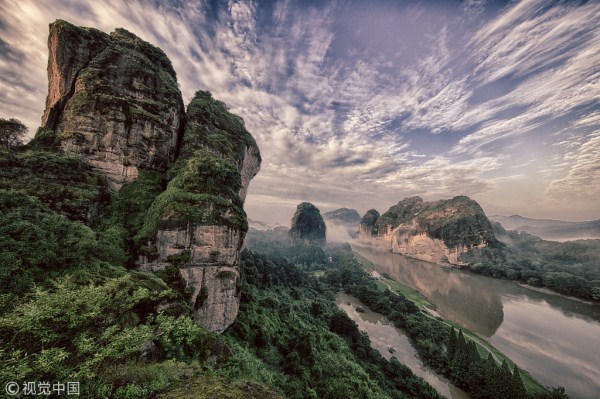
Longhu Mountain, or Dragon Tiger Mountain, isn't just another scenic spot in China; it's a tapestry woven with breathtaking natural beauty, steeped in ancient Taoist traditions, and brimming with cultural significance. Nestled in Jiangxi Province, this UNESCO World Heritage Site offers a unique and immersive travel experience. If you're seeking an escape that blends stunning landscapes with profound spiritual depth, Longhu Mountain should be high on your list.
This guide aims to equip you with the knowledge and insights needed to make the most of your journey to Longhu Mountain. We'll delve deeper than just the basics, providing you with detailed tips, practical advice, and insider information to help you navigate this enchanting destination.
Getting There & Getting Around: Conquering the Transportation Maze
Reaching Longhu Mountain is relatively straightforward, thanks to its proximity to Yingtan city. As the provided source correctly points out, Bus 23 is your best bet from Yingtan Railway Station. This is the most budget-friendly option, taking approximately 15-20 minutes and offering a glimpse into local life.
- Beyond Bus 23: While Bus 23 is efficient, consider other options if you're arriving at Yingtan Airport or from a different part of the city. Taxis and ride-hailing apps are readily available. Negotiate the fare beforehand with taxis, or use a reputable ride-hailing app for a fairer price.
- Navigating the Scenic Area: Once you arrive at Longhu Mountain, the scenic area is quite extensive. Thankfully, local buses operate within the park, connecting the various attractions. Keep an eye out for the bus routes and schedules, often displayed at the visitor center or near major attractions.
- Embrace the Bamboo Raft: Don't underestimate the power of the bamboo raft. A ride along the Luxi River, especially through the Fairy Water Rock Scenic Area, is a quintessential Longhu Mountain experience. It not only provides stunning views but also eliminates the need for land transportation in that specific area.
- Walking Shoes are Your Best Friend: While buses and rafts are convenient, be prepared to walk. Many of the most rewarding experiences, like exploring hidden caves or hiking to viewpoints, require a bit of effort. Pack comfortable walking shoes and be ready to embrace the trails.
Unveiling the Treasures: A Deep Dive into Activities and Attractions
Longhu Mountain offers a diverse range of activities, appealing to both nature enthusiasts and those seeking cultural immersion.
- The Luxi River and Fairy Water Rock Scenic Area: As mentioned, this area is a must-see. The towering karst formations reflected in the emerald waters of the Luxi River create a breathtaking spectacle. Opt for a bamboo raft ride to truly appreciate the scenery. While on the raft, pay attention to the various rock formations and the stories behind them.
- The Hanging Coffins of the Cliff Burial: Longhu Mountain is renowned for its ancient cliff burial sites. These coffins, suspended precariously on the cliffs, are a testament to the ingenuity and mystery of ancient civilizations. While the exact methods used to place these coffins remain a subject of debate, they offer a fascinating glimpse into the past. Boat tours often provide the best views of these incredible sites.
- The Taoist Temples and Monasteries: Longhu Mountain holds immense significance as the "China's Taoist Capital," serving as the ancestral home of Zhengyi Taoism. Explore the various temples and monasteries scattered throughout the area. Observe the rituals, appreciate the intricate architecture, and perhaps even engage in a conversation with the monks or priests to learn more about the Taoist philosophy. Shangqing Palace and Tianshi Mansion are particularly noteworthy.
- Natural Hiking Trails: For the adventurous souls, Longhu Mountain offers a network of hiking trails that wind through forests, alongside rivers, and up to scenic viewpoints. Research the trails beforehand, considering your fitness level and the time available. Remember to bring water, snacks, and appropriate hiking gear.
- The Dragon Tiger Mountain Geopark Museum: Located within the scenic area, this museum provides valuable insights into the geological history of Longhu Mountain. Learn about the formation of the karst landscape and the unique flora and fauna that inhabit the region. This is a great starting point for understanding the natural wonders you'll be exploring.
- Nighttime Entertainment: Look for evening performances that showcase local folklore, Taoist rituals, and cultural traditions. These shows are often visually stunning and provide a deeper understanding of the region's rich heritage.
Seasons of Serenity: Choosing the Best Time to Visit
The best time to visit Longhu Mountain aligns perfectly with the source's recommendation: spring (March-May) and autumn (September-November).
- Spring: Witness the landscape bursting with life as flowers bloom and trees regain their vibrant green hues. The weather is generally pleasant, with mild temperatures and low rainfall.
- Autumn: Enjoy the crisp air and stunning autumn foliage as the leaves transform into a kaleidoscope of colors. This is an ideal time for hiking and exploring the natural beauty of the region.
- Summer (June-August): Be prepared for hot and humid conditions, with occasional rain showers. However, the lush greenery and refreshing river offer some respite from the heat. Remember to pack sunscreen, insect repellent, and light, breathable clothing.
- Winter (December-February): While the scenery can be beautiful with snow-covered peaks, the weather is cold and damp. Some attractions may have limited access. If you choose to visit during winter, pack warm layers and be prepared for potentially challenging travel conditions.
A Culinary Journey: Savoring the Flavors of Longhu Mountain
Beyond the stunning landscapes and spiritual atmosphere, Longhu Mountain also offers a delightful culinary experience.
- Fish Dishes: Given its proximity to the Luxi River, Longhu Mountain is known for its fresh and delicious fish dishes. Look for restaurants serving local specialties like braised fish, steamed fish, or fish soup.
- Bamboo Shoots: Bamboo shoots are a popular ingredient in Jiangxi cuisine. Try dishes featuring tender bamboo shoots cooked in various ways, such as stir-fries, soups, or salads.
- Local Vegetables: Explore the diverse range of locally grown vegetables, often prepared with simple yet flavorful techniques. Look for dishes featuring seasonal greens, mushrooms, and other regional specialties.
- Rice Noodles: Rice noodles are a staple food in Jiangxi Province. Sample the local variations of rice noodles, often served in flavorful broths or stir-fried with meat and vegetables.
- Tea: As a region steeped in Taoist tradition, Longhu Mountain boasts excellent tea. Take some time to relax and enjoy a cup of local tea, appreciating the subtle flavors and aromas.
- Beyond the Main Tourist Areas: Don't be afraid to venture slightly outside the main tourist areas to discover more authentic and affordable dining options. Local eateries often offer a more genuine taste of Longhu Mountain cuisine.
Rest Your Head: Accommodation Options for Every Budget
Finding the right accommodation is crucial for a comfortable and enjoyable trip. As the source suggests, staying at hotels near the mountain provides convenient access to the attractions.
- Luxury Hotels: For those seeking a luxurious experience, several high-end hotels offer comfortable rooms, excellent amenities, and stunning views of Longhu Mountain.
- Mid-Range Hotels: A wide range of mid-range hotels cater to travelers looking for a balance between comfort and affordability. These hotels typically offer clean rooms, basic amenities, and convenient locations.
- Guesthouses and Homestays: For a more immersive and authentic experience, consider staying at a guesthouse or homestay run by local families. This option offers a chance to interact with locals, learn about their culture, and enjoy home-cooked meals.
- Booking in Advance: Especially during peak season (spring and autumn), it's highly recommended to book your accommodation in advance to ensure availability and secure the best rates.
- Location is Key: Consider the location of your hotel in relation to the attractions you plan to visit. Staying closer to the main entrance of the scenic area will save you time and transportation costs.
Essential Tips for a Smooth and Memorable Trip:
- Learn Basic Mandarin Phrases: While English is spoken in some tourist areas, knowing a few basic Mandarin phrases will greatly enhance your interactions with locals and make your trip more enjoyable.
- Download Translation Apps: If you don't speak Mandarin, download a translation app on your smartphone to help you communicate with locals and navigate menus.
- Bring Cash: While credit cards are accepted in some establishments, it's always a good idea to carry cash, especially when visiting smaller shops and restaurants.
- Respect Local Customs and Traditions: Longhu Mountain is a place of significant cultural and spiritual importance. Be respectful of local customs and traditions, dress modestly when visiting temples and monasteries, and avoid loud or disruptive behavior.
- Stay Hydrated: Especially during warmer months, it's crucial to stay hydrated by drinking plenty of water. Carry a refillable water bottle and refill it whenever possible.
- Pack Appropriately: Pack clothing appropriate for the season and the activities you plan to undertake. Comfortable walking shoes, rain gear, sunscreen, and insect repellent are essential items to bring.
- Purchase Travel Insurance: Travel insurance provides peace of mind in case of unexpected events such as medical emergencies, trip cancellations, or lost luggage.
- Be Prepared for Crowds: Longhu Mountain is a popular tourist destination, so be prepared for crowds, especially during peak season. Plan your visits to popular attractions early in the morning or later in the afternoon to avoid the busiest times.
- Embrace the Unexpected: Travel is all about embracing new experiences and being open to the unexpected. Be prepared to deviate from your itinerary, try new things, and immerse yourself in the local culture.
Longhu Mountain: More Than Just a Destination
Longhu Mountain offers a unique and unforgettable travel experience that goes beyond simply ticking off landmarks. It's a journey into the heart of Taoist culture, a chance to connect with nature's beauty, and an opportunity to discover the rich heritage of China. By following these tips and insights, you'll be well-equipped to make the most of your visit to this enchanting destination and create memories that will last a lifetime. So, pack your bags, embrace the adventure, and prepare to be captivated by the magic of Longhu Mountain.


