


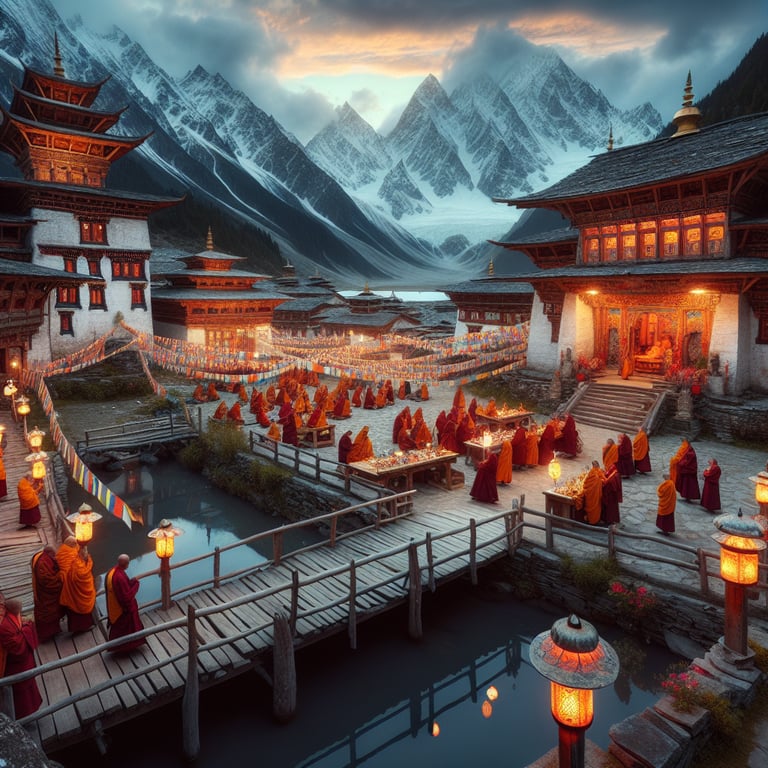
Langmusi Monastery: A Traveler's Guide to the Spiritual Heart of the Tibetan Plateau
Langmusi. The very name evokes images of windswept prayer flags, the scent of yak butter tea, and the profound silence of a place steeped in centuries of Buddhist tradition. Nestled at the foot of the Tibetan plateau, this unique town straddling the border between Sichuan Province and Gansu Province in China, offers a truly unforgettable experience for the intrepid traveler. It's a place where breathtaking landscapes meet profound spiritual significance, a journey that rewards both the body and the soul. But planning a trip to Langmusi requires careful consideration, and this detailed guide will equip you for a truly enriching experience.
The Best Time to Find Your Inner Peace: When to Visit Langmusi
As noted in Andrea Marchegiani's insightful blog post, Langmusi, Tibet outside Tibet (part 1), the ideal time to visit Langmusi is during spring (April-May) and autumn (September-October). These shoulder seasons offer the most pleasant weather – mild temperatures perfect for exploring the surrounding areas – and vibrant scenery as the landscape transitions through its seasonal changes. Summers can be hot and potentially crowded, while winters are notoriously harsh, with significant snowfall making travel difficult and some attractions inaccessible.
Finding Your Sanctuary: Accommodation in Langmusi
Langmusi's accommodation scene reflects its unique character. Expect a range of guesthouses and hotels, many offering a charmingly authentic experience of local hospitality. While you won't find five-star luxury here, the intimate and often family-run establishments offer a glimpse into the daily lives of the community. Booking in advance, especially during peak season, is strongly recommended to secure your preferred lodging. Look for places offering views of the monasteries or the surrounding mountains for an even more immersive experience. Expect basic amenities, but prioritize comfort and cleanliness based on reviews and online bookings.
Embark on a Spiritual Journey: Navigating the Pilgrimage Trails
Langmusi is a significant pilgrimage site, and the hiking trails around Kerti Gompa monastery (often shortened to just "Kerti") are a central feature of the experience. As emphasized in "The Ultimate Guide to Hiking Langmusi in China" (https://www.herecomesthesea.com/blog/the-ultimate-guide-to-hiking-langmusi-in-china), be prepared for strenuous hikes. The trails can be challenging, with uneven terrain and significant elevation changes. Appropriate footwear (hiking boots are essential), plenty of water, and sun protection are absolute necessities. Consider your fitness level and plan your hikes accordingly; don't attempt trails beyond your capabilities. Allow ample time for rest and take advantage of the breathtaking views along the way. Remember to respect the spiritual nature of these trails – it's a pilgrimage for many, so maintain a respectful demeanor.
Respect and Reverence: Cultural Etiquette in Langmusi
Langmusi is a deeply spiritual place. Respect for local customs and traditions is paramount. Dress modestly when visiting the monasteries; avoid revealing clothing. Silence and mindfulness are highly valued, so refrain from loud conversations or disruptive behavior within the monastery grounds. Always ask for permission before taking photographs of people, particularly monks. Observe the practices of pilgrims and monks with respect and avoid interrupting their rituals. Learn a few basic Tibetan phrases; even a simple "ku le" (hello) shows your appreciation for their culture.
Getting There and Getting Around: Transportation in Langmusi
Langmusi's remote location means transportation options are limited. Buses are the most common means of access, typically departing from nearby towns such as Xiahe (a popular starting point) or Maqu. Private vehicles can also be hired, offering more flexibility, but this can be more expensive. Local transportation within Langmusi itself is often limited, so factor this into your itinerary. Walking is a great way to explore the immediate area around the monasteries, but for longer distances, consider pre-arranging transportation or utilizing local taxis where available.
Beyond the Monasteries: Exploring the Surrounding Attractions
Langmusi's allure extends beyond its spiritual heart. The natural beauty of the surrounding area is breathtaking. The Namo Gorge, with its dramatic cliffs and rushing river, offers stunning views and opportunities for photography. For a more profound (and potentially confronting) experience, consider exploring the sky burial sites. These are significant components of Tibetan funerary rites and offer a glimpse into a culture profoundly different from our own. Approach these sites with utmost respect and sensitivity. Always be mindful of the local customs and traditions surrounding these practices.
Capturing the Essence: Photography in Langmusi
Langmusi offers countless opportunities for stunning photography. The vibrant colors of the monasteries, the dramatic landscapes, and the everyday life of the community provide a rich tapestry of images. However, remember that respect always comes first. Always ask for permission before photographing individuals, especially monks and pilgrims, and be mindful of their privacy and the sanctity of the sites you are photographing. The beauty of Langmusi is not just in the pictures you take, but also in the memories you create.
Planning Your Spiritual Escape: A Final Word
A trip to Langmusi is more than just a vacation; it's a journey of self-discovery and spiritual exploration. By following these tips and planning carefully, you can enhance your experience and leave with a deeper understanding and appreciation for this unique and captivating destination. Remember to respect the culture, embrace the challenges, and cherish the moments of profound beauty and spiritual connection that Langmusi offers. The memories you make here will last a lifetime.


