


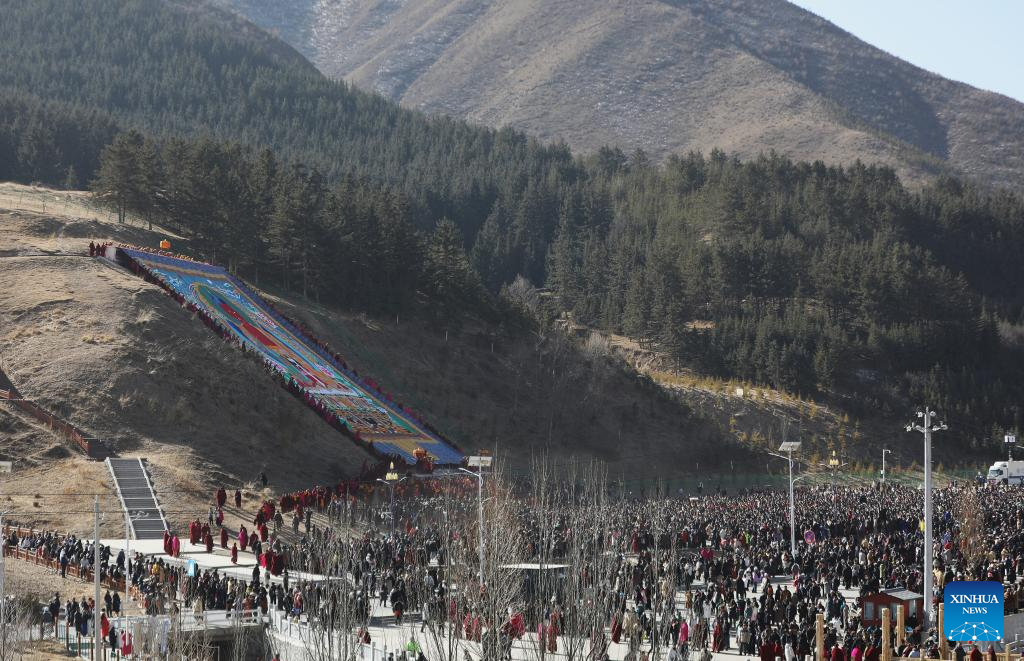
Unveiling Labrang Monastery: A Deep Dive into Travel Planning and Cultural Sensitivity
Labrang Monastery, nestled in the heart of Xiahe County in Gansu Province, China, is a breathtaking testament to Tibetan Buddhism's rich history and vibrant spirituality. This sprawling monastic complex, with its iconic golden roofs, vibrant prayer flags, and the constant hum of chanting monks, offers a profoundly moving experience for any traveler. However, venturing into this sacred space requires careful planning and a deep respect for the local culture. This detailed guide aims to equip you with the knowledge and insights you need to ensure a meaningful and respectful visit to Labrang Monastery.
Beyond the Tourist Trail: Understanding the Significance of Labrang
Before delving into practical travel tips, it's crucial to understand the profound significance of Labrang. It's not merely a tourist attraction; it's a living, breathing center of Tibetan Buddhist learning and practice. Founded in the 17th century, it's one of the six great monasteries of the Gelugpa school of Tibetan Buddhism, renowned for its rigorous monastic education and its unique combination of secular and religious life within its walls. Understanding this context will profoundly shape your experience and guide your interactions with the local community.
1. Respecting Local Customs: A Foundation for Meaningful Interaction
As emphasized by sources like Beyond My Border (https://www.beyondmyborder.com/guide-to-labrang-monastery/), respecting local customs is paramount. This means more than just polite behavior; it's about demonstrating a genuine understanding and appreciation for Tibetan Buddhist traditions.
- Modest Dress: This is non-negotiable. Avoid wearing clothing that is too revealing (short skirts, shorts, sleeveless tops). Shoulders and knees should be covered, ideally. Think layers, as the weather in Xiahe can be unpredictable.
- Appropriate Behavior: Photography should be approached with sensitivity. Avoid taking pictures of monks without their permission. Refrain from loud conversations or disruptive behavior within the monastery grounds. Observe quiet contemplation and respect the sanctity of the space.
- Entering Temples and Prayer Halls: Remove your shoes before entering sacred buildings. Avoid touching religious objects unless specifically invited to do so. Move quietly and deliberately, showing respect for those engaged in prayer.
- Offering Respect: While not required, a small donation to the monastery can be a gesture of goodwill. However, prioritize respectful observation over lavish displays of generosity.
2. The Value of a Guided Tour: Unveiling the Hidden Depths
While exploring Labrang independently is certainly possible, engaging a knowledgeable guide can significantly enhance your experience. As highlighted by both Beyond My Border and The Nomadic Vegan (https://www.thenomadicvegan.com/labrang-monastery-tibetan-culture/), a guided tour provides invaluable context.
- Historical Insights: A guide can explain the intricate history of the monastery, its various colleges, and the significance of its different structures. They can unravel the stories behind the murals, statues, and scriptures.
- Cultural Understanding: They can explain Tibetan Buddhist practices, rituals, and beliefs, allowing you to observe the daily life of the monastery with a deeper understanding.
- Navigational Assistance: The monastery complex is vast, and a guide can help you navigate efficiently, ensuring you don't miss key sites.
- Ethical Considerations: A reputable guide will prioritize respectful interactions with the monks and the local community, teaching you to behave appropriately.
Look for reputable tour operators who prioritize cultural sensitivity and sustainable tourism. Inquire about their commitment to ethical practices before booking.
3. Beyond the Walls: Exploring the Surrounding Area
Labrang Monastery is more than just its buildings; it's intrinsically linked to the surrounding landscape and the vibrant Xiahe community.
- The Kumbum (Stupa): A short walk from the main monastery complex lies the impressive Kumbum, a stunning stupa filled with intricate mandalas and miniature temples.
- Local Markets: Explore the bustling local markets near the monastery. You can find traditional Tibetan handicrafts, clothing, and souvenirs. Engage with the locals respectfully, appreciating their craftsmanship.
- Trekking Opportunities: Xiahe offers opportunities for short treks to surrounding villages and viewpoints offering breathtaking perspectives of the monastery and the landscape.
- Interaction with Locals: Be open to interacting with the local community, but always remember to be respectful and mindful of their privacy. Learn a few basic Tibetan phrases to show your appreciation.
4. Timing Your Visit: Navigating the Crowds
The best time to visit Labrang is during the shoulder seasons (spring and autumn). As suggested by the resources mentioned, visiting during off-peak times allows for a more tranquil and less crowded experience.
- Summer (June-August): Expect larger crowds and potentially higher prices for accommodation. The weather is generally pleasant, but it can get hot.
- Winter (November-March): The weather is cold and some parts of the monastery might be inaccessible. However, the fewer crowds can provide a more intimate experience.
- Spring and Autumn (April-May & September-October): These shoulder seasons offer a sweet spot – pleasant weather, fewer crowds, and a balanced experience.
5. Practical Travel Information
- Visa Requirements: Ensure you have the necessary visa to enter China well in advance of your trip.
- Transportation: Xiahe has a small airport, but most travelers arrive by bus from Lanzhou or other nearby cities.
- Accommodation: Xiahe offers a range of accommodation options, from budget-friendly guesthouses to more comfortable hotels. Book in advance, especially during peak season.
- Food: The local cuisine is a blend of Tibetan and Chinese influences. Many restaurants cater to vegetarian and vegan diets.
- Altitude: Xiahe sits at a relatively high altitude. Take it easy on your first day and stay hydrated to acclimatize.
Visiting Labrang Monastery is an unforgettable experience, but it demands thoughtful preparation and respectful behavior. By following these guidelines and engaging with the rich cultural tapestry of the region, you'll embark on a journey that transcends simple sightseeing and touches the soul. Remember that your trip is a privilege, and respecting the local culture is the key to unlocking a truly meaningful and enriching experience.


