


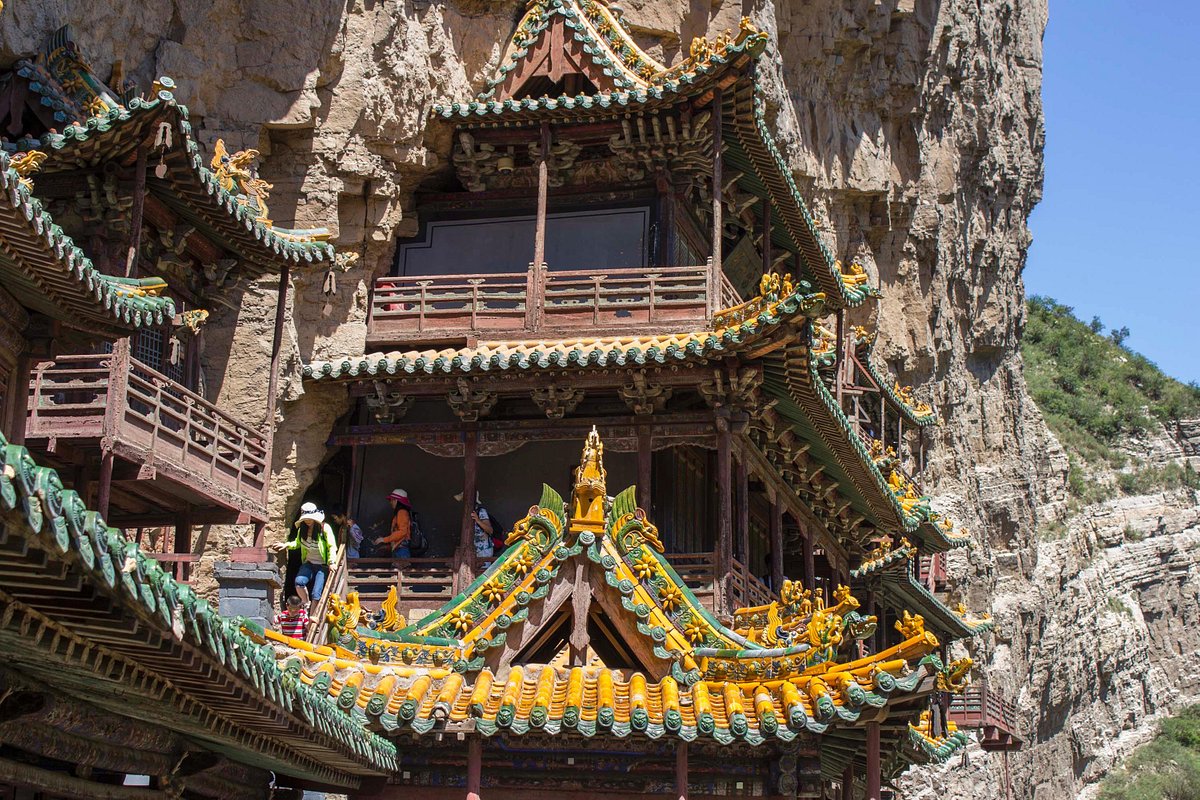
Hanging High Above Expectations: A Comprehensive Guide to Visiting Datong's Hanging Temple
The Hanging Temple of Mount Hengshan, precariously perched on a sheer cliff face in Datong, Shanxi Province, China, is more than just a tourist attraction; it's a breathtaking testament to human ingenuity and spiritual devotion. This ancient marvel, a harmonious blend of Buddhist, Taoist, and Confucian influences, draws visitors from across the globe, eager to witness its unique charm and rich history. But navigating your visit requires some careful planning. This comprehensive guide will equip you with the knowledge you need to make your journey to the Hanging Temple a truly unforgettable experience.
Getting There: More Than Just a Scenic Drive
The Hanging Temple sits approximately 65 kilometers (40 miles) from Datong city center. While the distance may seem manageable, relying solely on public transport can prove challenging. Limited bus services and potentially infrequent schedules make pre-planning crucial. As suggested by resources like Into the Bloom (https://www.intothebloom.com/datong-shanxi-guide/), your best options are:
- Taxi: A taxi offers the most convenient and flexible option, especially if you're traveling with companions. Negotiate the fare beforehand, or use a ride-hailing app if available, to avoid any surprises. Be prepared for a slightly longer journey than you might anticipate due to the mountainous terrain.
- Local Tour: Joining a guided tour from Datong is a popular and often stress-free choice. These tours usually include transportation, a knowledgeable guide who can enrich your experience with historical context and anecdotes, and sometimes even entry tickets. Check online travel agencies and local tour operators for options and pricing. This option is particularly helpful if you're also planning to visit the nearby Yungang Grottoes.
- Private Car Hire: For added flexibility and comfort, consider hiring a private car and driver. This allows you to set your own pace and explore the surrounding areas at your leisure.
Ticketing Strategies: Avoiding the Queues
Avoid the frustration of long lines by purchasing your tickets in advance. The official website of the Hanging Temple (if available in English) or online ticketing platforms are excellent options. You can also often purchase tickets at the Datong Railway Station, which is convenient if you're arriving by train. Keep in mind that peak tourist seasons (national holidays and summer vacations) see significantly higher visitor numbers, making advance booking even more essential.
Timing Your Visit: Seasons and Scenery
The best time to visit the Hanging Temple is during the shoulder seasons:
- Spring (April – June): The weather is pleasant, with blossoming flowers adding to the scenic beauty of the surroundings. The greenery is vibrant, offering a breathtaking backdrop to the temple's majestic structure.
- Autumn (September – November): The crisp air and stunning autumn foliage create a captivating ambiance. The cooler temperatures make exploring the temple more comfortable than during the summer heat.
Summer can be extremely hot and uncomfortable, while winter brings the potential for snow and icy conditions, making the climb to the temple more hazardous.
Guided Tours: Unveiling the Temple's Secrets
While you can certainly explore the Hanging Temple independently, hiring a local guide can significantly enhance your understanding and appreciation of this remarkable site. A knowledgeable guide can share fascinating insights into:
- The temple's history: Learn about its construction, the various religious traditions it represents, and its significance throughout Chinese history.
- The architectural marvels: Discover the ingenious engineering that allowed for the construction and maintenance of the temple on such a precarious location.
- The religious symbolism: Understand the meaning behind the temple's layout, statues, and artwork.
Navigating the Language Barrier: Prepare for Communication
While some staff at the Hanging Temple may speak basic English, Mandarin remains the primary language. Downloading a translation app (Google Translate or Pleco are excellent options) or carrying a phrasebook is highly recommended. Knowing basic Mandarin phrases like "Hello" (你好 - nǐ hǎo), "Thank you" (谢谢 - xiè xie), and "Excuse me" (对不起 - duì bu qǐ) can greatly improve your interactions.
Combining Your Visit: A Day of Cultural Exploration
As suggested by TripAdvisor (https://www.tripadvisor.com/ShowTopic-g297461-i14364-k10216330-1_Day_to_visit_Hanging_Temple_and_Yungang_Grottoes-Datong_Shanxi.html), many visitors combine a trip to the Hanging Temple with a visit to the nearby Yungang Grottoes, a UNESCO World Heritage Site featuring stunning Buddhist cave sculptures. Planning a full-day itinerary that includes both sites is perfectly feasible, and offers a rich cultural experience. Consider the travel time between the two locations when scheduling your day.
Beyond the Basics: Enhancing Your Experience
- Wear comfortable shoes: The terrain leading to the temple can be uneven and steep. Comfortable, sturdy footwear is essential.
- Bring water and snacks: Especially during warmer months, staying hydrated is crucial. Having snacks on hand will prevent hunger pangs during your explorations.
- Respect local customs: Dress modestly when visiting religious sites. Be mindful of noise levels and avoid disruptive behavior.
- Photography: Capture the beauty of the temple and its surroundings. However, be respectful of other visitors and avoid obstructing their views.
- Learn about the history: Before your visit, familiarize yourself with the history and significance of the Hanging Temple. This will deepen your appreciation for what you see.
The Hanging Temple of Datong is a truly remarkable site, a captivating blend of history, architecture, and spiritual significance. With careful planning and the tips outlined above, you can ensure your visit is not only enjoyable but also deeply enriching and memorable. Prepare to be amazed!


