


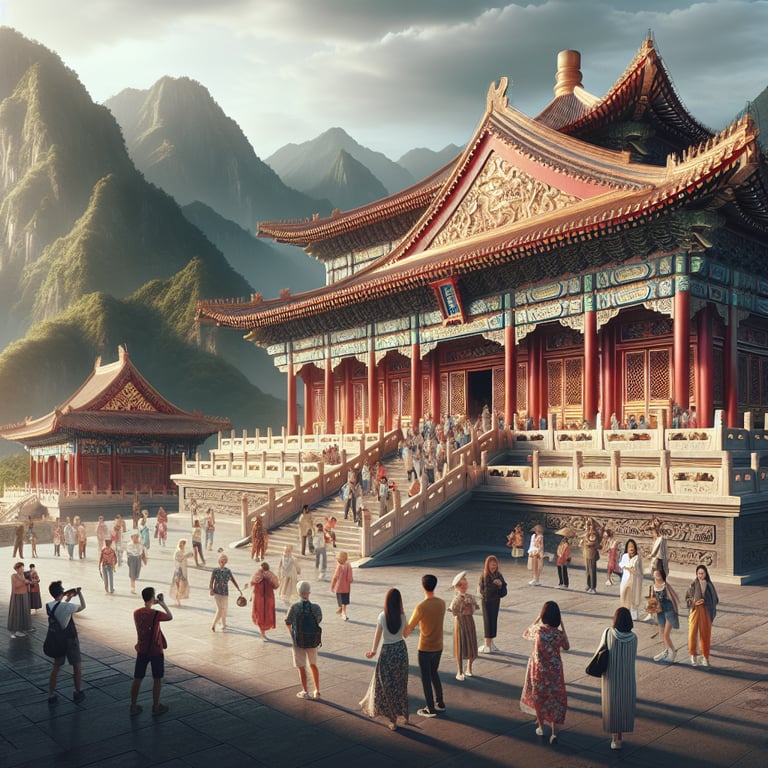
Unveiling the Splendor of Puning Temple: A Comprehensive Guide to Your Chengde Pilgrimage
Chengde, a city nestled in the Hebei province of China, holds a captivating historical tapestry woven with imperial grandeur and spiritual serenity. At its heart lies Puning Temple (普宁寺), a breathtaking testament to the Qing Dynasty's harmonious embrace of Tibetan Buddhism and a must-see destination for any traveler exploring this remarkable region. This blog post will delve deep into planning your visit, ensuring you experience the full majesty of Puning Temple and its surrounding historical sites.
Understanding the Context: More Than Just a Temple
Puning Temple isn't simply a standalone attraction; it's a key component of Chengde's rich historical landscape. Built in 1755, this magnificent temple stands as a symbol of the Qing emperors' respect for Tibetan Buddhism and minority cultures within their vast empire. Its intricate architecture and extensive grounds reflect a fascinating blend of Han Chinese and Tibetan styles, offering a unique glimpse into the cultural exchange of the era. Understanding this context enriches the experience exponentially, transforming a simple sightseeing trip into a journey through time.
The Smart Traveler's Approach: Maximizing Your Chengde Experience
Before you even step foot inside the temple, strategic planning is paramount. The cost of entry is 80 yuan for Puning Temple alone, but a far more economical and enriching approach is to purchase the combined ticket. For 280 yuan, you gain access not only to Puning Temple but also to the equally impressive Mountain Resort (避暑山庄) and Potala Palace (小布达拉宫). This combined ticket represents significant savings and allows you to explore these interconnected historical sites at your leisure. Check TripAdvisor reviews for updated pricing
Planning Your Visit: A Step-by-Step Guide
- Transportation: Chengde is accessible by train from Beijing and other major Chinese cities. Once in Chengde, you can utilize local buses or taxis to reach Puning Temple and the other sites. Consider hiring a private driver for a more comfortable and flexible experience, especially if you plan to visit multiple locations within a day.
- Timing: The best time to visit is during spring or autumn, when the weather is pleasant and the crowds are manageable. Summer can be hot and humid, while winter can be quite cold. Check the weather forecast before your trip and pack accordingly.
- Duration: Allow ample time to explore Puning Temple. The vast grounds, intricate details, and serene atmosphere require a leisurely pace for true appreciation. Plan at least 3-4 hours for a thorough visit. Factor in additional time for the Mountain Resort and Potala Palace if you purchase the combined ticket.
- What to Expect: Prepare to be awestruck. Puning Temple is a sprawling complex featuring magnificent halls, intricate carvings, towering pagodas, and serene courtyards. The sheer scale and artistry of the temple are truly breathtaking. Remember to dress respectfully, covering your shoulders and knees.
- Photography: Capture the beauty! Puning Temple offers countless opportunities for stunning photographs. However, be mindful of respectful photography practices, particularly within prayer halls.
- Guided Tours: Consider hiring a local guide to deepen your understanding of the temple's history, architecture, and religious significance. A guided tour can provide invaluable insights and enhance your overall experience. Many tour operators are available in Chengde, and you can also find information online through sites like Discover China Tours. Explore guided tour options here: Discover China Tours - Puning Temple
Beyond the Temple Walls: Exploring Chengde's Treasures
As mentioned, Puning Temple is just one piece of the captivating Chengde puzzle. The Mountain Resort, a sprawling imperial garden complex, offers a glimpse into the Qing emperors' summer retreats, while the Potala Palace, a smaller-scale replica of the famous Tibetan landmark, provides further insight into the Qing Dynasty's relationship with Tibetan Buddhism. Combining your Puning Temple visit with exploration of these sites will make your Chengde journey truly unforgettable.
A Journey of Cultural Immersion
Visiting Puning Temple is more than just ticking off a sightseeing item; it's an immersive journey into a rich and fascinating history. By understanding the context, planning carefully, and embracing the cultural nuances, you can unlock the true splendor of this remarkable temple and gain a deeper appreciation for the intricate relationship between the Qing Dynasty and Tibetan Buddhism. So, pack your bags, prepare for awe, and embark on an unforgettable adventure to Chengde's magnificent Puning Temple.


