


Top 10 Must-Do Activities When Exploring Shanxi Province
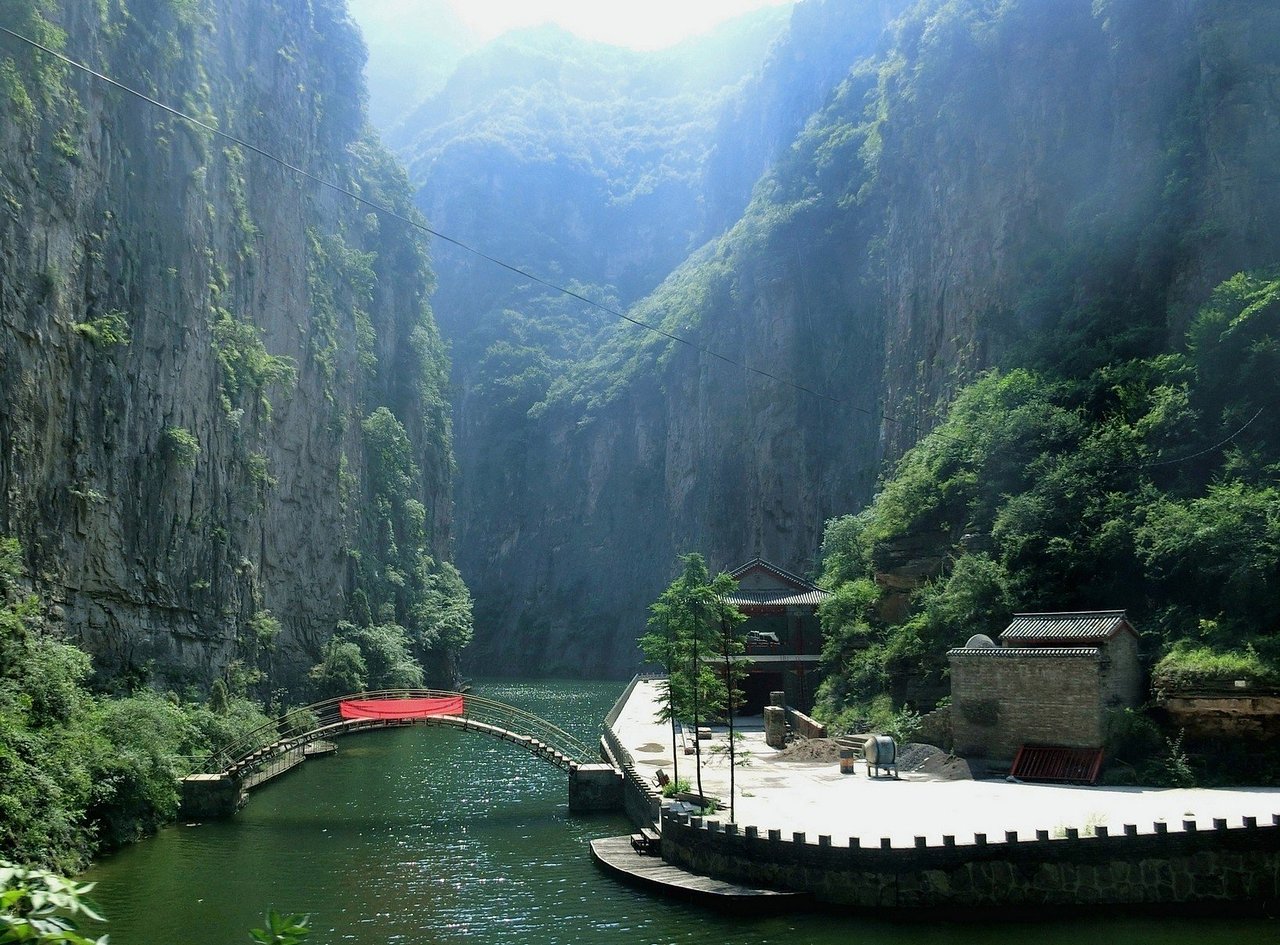
Shanxi, a landlocked province in North China, is a treasure trove of historical and cultural wonders. Often overlooked by tourists, it offers an authentic glimpse into ancient China, boasting well-preserved temples, elaborate grottoes, and stunning natural landscapes. If you're looking for a truly unique travel experience, Shanxi should be high on your list. Here are the top 10 things to do in this fascinating region:
1. Marvel at the Yungang Grottoes: Buddhist Art Carved in Stone
The Yungang Grottoes, located near Datong, are a UNESCO World Heritage site and a spectacular display of Buddhist art. Carved into sandstone cliffs over 1500 years ago, these grottoes contain over 51,000 statues, ranging from colossal Buddhas to intricate carvings of celestial beings. Each cave represents a unique period of artistic development, reflecting the influence of Indian, Central Asian, and Chinese styles.
Why Visit? The sheer scale and artistry of the Yungang Grottoes are awe-inspiring. Spend ample time exploring the major caves, especially Cave 5 and Cave 6, known for their magnificent Buddha statues and detailed reliefs. The early morning light is ideal for photography, and hiring a local guide can significantly enhance your understanding of the site's history and symbolism. Look closely at the faces, hand gestures (mudras), and clothing of the statues, each conveying specific meanings.
2. Explore the Ancient City of Pingyao: A Step Back in Time
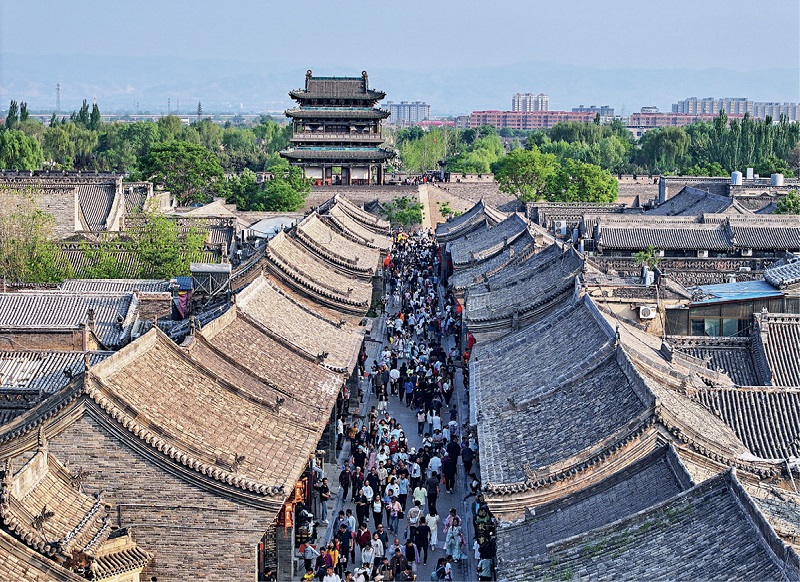
Pingyao Ancient City is another UNESCO World Heritage site, and one of the best-preserved walled cities in China. Stepping through its gates is like traveling back to the Ming and Qing Dynasties. The city's grid-like layout, traditional courtyard houses (siheyuan), and imposing city walls create a captivating atmosphere.
What to Do? Rent a bicycle and explore the city at your own pace. Visit the Rishengchang Exchange Shop, the first draft bank in China, offering insight into the country's early financial history. Explore the City God Temple (Chenghuang Miao), the Confucius Temple, and the Ming-Qing Street, lined with shops selling local crafts and souvenirs. Climbing the city walls provides panoramic views of Pingyao and the surrounding countryside. Consider staying overnight in a traditional courtyard guesthouse for an immersive experience.
3. Ascend Mount Wutai: One of China's Four Sacred Buddhist Mountains
Mount Wutai is one of China's four sacred Buddhist mountains, known as a major pilgrimage destination. Scattered across the mountain are numerous temples, monasteries, and pagodas, each with its own unique history and significance. The serene atmosphere and stunning mountain scenery make it a truly spiritual place.
Planning Your Trip: Be prepared for a significant amount of walking or taking local buses between temples. Xiantong Temple, the largest temple on Mount Wutai, is a must-see. Other notable temples include Tayuan Temple, famous for its White Pagoda, and Pusading Temple, known for its Tibetan-style architecture. Wear comfortable shoes and dress respectfully when visiting the temples. Consider visiting during the annual Buddhist festivals for a vibrant cultural experience.
4. Hike to the Hanging Temple: An Architectural Marvel
The Hanging Temple, also known as Xuankong Temple, is a remarkable feat of engineering. Perched precariously on the side of a cliff near Datong, this temple has remained suspended for over 1500 years. The complex is a blend of Buddhist, Taoist, and Confucian elements, reflecting the syncretic nature of Chinese religious belief.
Visitor Tips: The temple can be crowded, especially during peak season. Be prepared for narrow walkways and steep steps. The views from the temple are breathtaking, offering a unique perspective of the surrounding gorge. The engineering and architectural design required to build this temple are truly astounding; take a moment to appreciate the ingenuity involved.
5. Explore the Jinci Temple: A Tribute to Ancient Royalty
Located near Taiyuan, the Jinci Temple is dedicated to the memory of Tang Shuyu, the founder of the Jin State during the Zhou Dynasty. The temple complex features a beautiful garden, ancient buildings, and impressive sculptures. It provides insight into the region's rich history and dynastic past.
Highlights: The most iconic structure is the Hall of the Holy Mother, housing life-sized statues of servants attending to the Holy Mother (Tang Shuyu's mother). The Flying Bridge, a unique architectural feature, is another notable attraction. The old cypresses in the complex are said to be over 2000 years old, adding to the atmosphere of antiquity.
6. Witness the Splendor of the Wooden Pagoda of Yingxian: A Structural Masterpiece
Located in Yingxian County, the Wooden Pagoda of Yingxian, also known as Sakyamuni Pagoda, is the oldest and tallest all-wood pagoda in the world. Built in 1056 during the Liao Dynasty, this pagoda stands as a testament to the remarkable skills of ancient Chinese carpenters.
Key Points: This pagoda has survived numerous earthquakes and battles, showcasing its incredible structural integrity. Climbing the pagoda provides stunning views of the surrounding area (access may be limited due to preservation efforts). Take time to appreciate the intricate bracketing system that holds the pagoda together without the use of nails or glue.
7. Delve into Local Culture: Shanxi Cuisine and Opera
Shanxi cuisine is characterized by its use of wheat flour, resulting in a variety of noodles, steamed buns, and pancakes. Don't miss the opportunity to try local specialties like knife-cut noodles (daoxiaomian), Shanxi vinegar, and braised pork with brown sauce.

The number one food to try in Shanxi is the "Shanxi Knife-cut Noodles" (Dao Xiao Mian), known for their unique texture and flavor. These hand-pulled noodles are often served with a variety of toppings, including rich meat sauces and vegetables, making them a staple of the region's cuisine. Additionally, "Cumin Lamb" is another popular dish that showcases the bold flavors characteristic of Shanxi food.
Cultural Immersion: Shanxi opera (Jinju) is another important part of the region's cultural heritage. Attending a performance provides insight into traditional Chinese music, costumes, and storytelling. Look for local restaurants offering traditional performances alongside your meal.
8. Visit the Hukou Waterfall: The Yellow River's Fury
Although partially located in Shaanxi, the Hukou Waterfall, the largest waterfall on the Yellow River, is easily accessible from Shanxi. Witnessing the powerful force of the Yellow River as it thunders through a narrow gorge is an unforgettable experience.
Best Time to Visit: The best time to visit is during the spring and autumn when the water flow is at its peak. Be prepared for crowds, especially during holidays. The roar of the water and the sheer volume of spray are impressive.
9. Explore the Coal Museum of China: Underground Adventures
Located in Taiyuan, the Coal Museum of China offers a unique opportunity to learn about the region's coal mining history. Take a simulated mine tour and explore exhibits that showcase the technology and labor involved in coal extraction.
Unique Experience: The simulated mine tour provides a realistic glimpse into the working conditions of coal miners. This museum offers a valuable insight into the region's industrial heritage and the importance of coal to China's economy.
10. Stroll through the Qiao Family Compound: A Glimpse into Merchant Life
The Qiao Family Compound, also known as Qiao's Grand Courtyard, is a well-preserved example of a wealthy merchant's residence during the Qing Dynasty. This sprawling complex showcases traditional Chinese architecture, intricate carvings, and a glimpse into the lives of affluent families.
Architectural Details: The courtyard complex features multiple courtyards, interconnected rooms, and fortified walls. Pay attention to the intricate carvings on the doors, windows, and roof beams. This is a prime example of the wealth and power of the merchant class in ancient China.
Shanxi Province offers a rich tapestry of history, culture, and natural beauty. By exploring these top 10 attractions, you'll gain a deeper understanding and appreciation for this often-overlooked gem of China. Remember to plan your trip in advance, research transportation options, and embrace the opportunity to immerse yourself in the local culture.


