


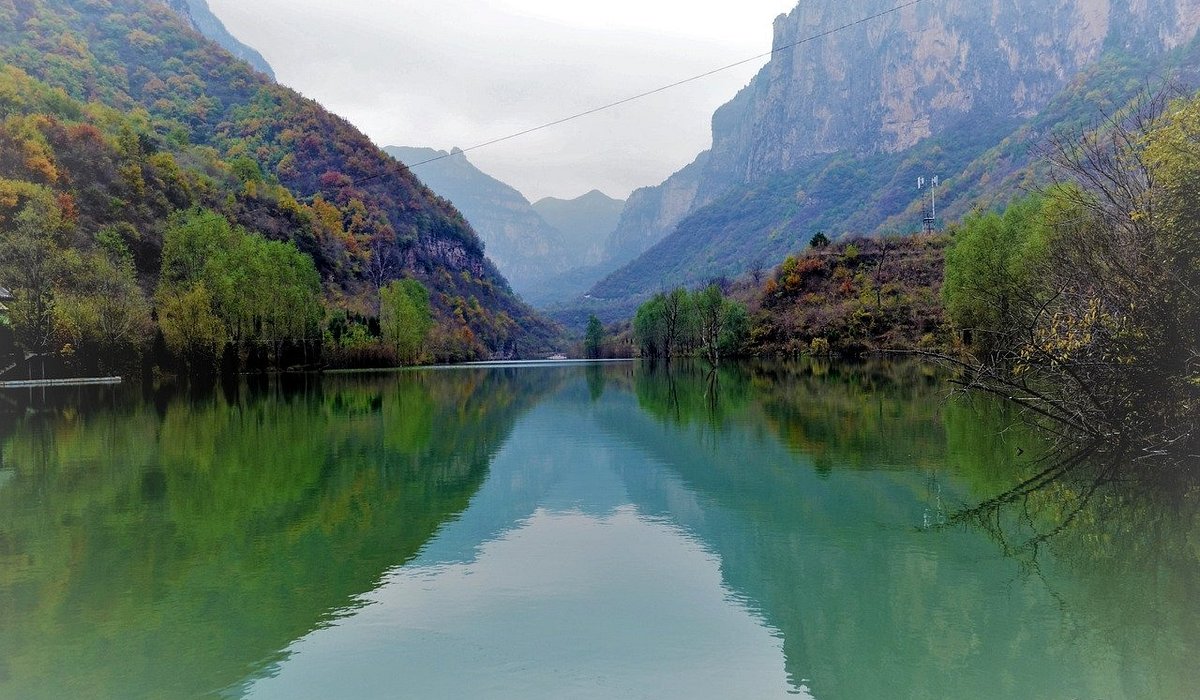
Unveiling the Hidden Gems of Shanxi: A Deep Dive into China's Underrated Province
Shanxi, a province nestled in the heart of North China, often gets overshadowed by its more glamorous neighbors. However, beneath the surface of this seemingly quiet land lies a treasure trove of history, culture, and breathtaking landscapes waiting to be explored. Forget the bustling metropolises; Shanxi offers a journey back in time, a chance to connect with authentic Chinese heritage, and an experience far removed from the typical tourist trail. This blog post delves deep into what makes Shanxi a must-visit destination, highlighting both the must-see attractions and the often-overlooked gems.
The Big Three: Iconic Shanxi Experiences
Based on various resources like TripAdvisor (https://www.tripadvisor.com/Attractions-g297460-Activities-Shanxi.html) and China Discovery (https://www.chinadiscovery.com/shanxi-tours/attractions.html), three sites consistently top the list of must-sees in Shanxi:
- Pingyao Ancient City: This UNESCO World Heritage site is a living testament to China's rich history. Perfectly preserved within its ancient walls, Pingyao offers a captivating glimpse into life during the Ming and Qing dynasties. Wander its cobblestone streets, admire the exquisitely preserved architecture, and experience the unique atmosphere of a city frozen in time. Don't miss the city walls themselves – a walk along their ramparts provides stunning panoramic views. Beyond the walls, explore the numerous courtyards, tea houses, and local shops, immersing yourself in the authentic culture of Shanxi.
- Yungang Grottoes: A colossal Buddhist cave temple complex, Yungang is one of China's most significant artistic and religious sites. The sheer scale and breathtaking artistry of the thousands of Buddha statues, carved over centuries, are simply awe-inspiring. Explore the different caves, each with its own unique style and historical significance, and marvel at the intricate details of the sculptures. The sheer size and artistry of the grottoes provide a powerful glimpse into the religious and artistic fervor of the Northern Wei Dynasty.
- Hengshan Hanging Temple (Xuankong Temple): Perched precariously on a sheer cliff face, this iconic temple is a marvel of both engineering and spiritual devotion. The breathtaking location, combined with the temple's unique architecture and history, makes it a truly unforgettable experience. Reaching the temple itself is part of the adventure, with paths winding along the cliffside. Remember to take your time appreciating the temple’s intricate details and the stunning views from its precarious position.
Beyond the Big Three: Unearthing Shanxi's Hidden Gems
While the above three sites are undeniably must-sees, Shanxi offers much more to the discerning traveler. To truly appreciate the province, consider exploring these less-visited but equally captivating destinations:
- Wutai Mountain: A sacred Buddhist mountain range, Wutai Mountain is home to numerous temples, monasteries, and stunning natural landscapes. It’s a pilgrimage site for Buddhists worldwide, but even non-believers will appreciate the serenity and beauty of the mountains and the rich history embedded in its temples.
- Datong: This historical city is the gateway to Yungang Grottoes and offers a glimpse into China's past. Beyond the grottoes, Datong boasts its own fascinating historical sites and a vibrant local culture.
- Five Dynasties Tombs: Explore the well-preserved tombs of rulers from the Five Dynasties and Ten Kingdoms period, offering a unique insight into the burial practices and artistic styles of that era.
- Jinci Temple: Located near Taiyuan, this beautiful temple complex is a significant example of traditional Chinese architecture and a key site in Shanxi's cultural heritage. It offers a serene escape from the bustle of city life and a chance to appreciate the beauty of traditional temple design.
Planning Your Shanxi Adventure:
When planning your trip to Shanxi, consider these factors:
- Transportation: High-speed rail connects major cities within Shanxi, and buses are readily available for reaching smaller towns and villages. Internal travel within the province is relatively straightforward.
- Accommodation: From budget-friendly guesthouses to comfortable hotels, accommodation options cater to various budgets and preferences. Pingyao, in particular, offers many charming boutique hotels within the ancient city walls.
- Time of Year: Spring and autumn offer the most pleasant weather for exploring Shanxi, with comfortable temperatures and fewer crowds. Summer can be hot, while winter can be quite cold, particularly in the mountainous regions.
- Language: While English is not widely spoken, learning a few basic Mandarin phrases will enhance your experience. Many tourist sites offer information in English, but having some basic language skills will be helpful.
Shanxi is more than just a collection of historical sites; it’s a journey through time, a cultural immersion, and an exploration of some of China’s most stunning landscapes. Don't overlook this hidden gem; it's an experience that will stay with you long after you leave. Remember to research your chosen destinations further and tailor your itinerary to your interests and available time. Enjoy the journey!


