


Unveiling the Untamed Beauty of Inner Mongolia: A Comprehensive Travel Guide
Inner Mongolia, a vast and breathtaking autonomous region in northern China, offers a unique blend of nomadic culture, stunning natural landscapes, and rich history. Far removed from the bustling cities of eastern China, it's a land of rolling grasslands, dramatic deserts, and ancient traditions, promising an unforgettable adventure for the intrepid traveler. This comprehensive guide delves into the must-sees and must-dos, drawing inspiration from reputable sources like TripAdvisor (https://www.tripadvisor.com/Attractions-g297439-Activities-Inner_Mongolia.html), China Highlights (https://www.chinahighlights.com/inner-mongolia/article-top-things-to-do.htm), and China Discovery (https://www.chinadiscovery.com/inner-mongolia/cities.html), to craft a truly immersive experience.
Part 1: Exploring the Grasslands – Hulun Buir and Beyond
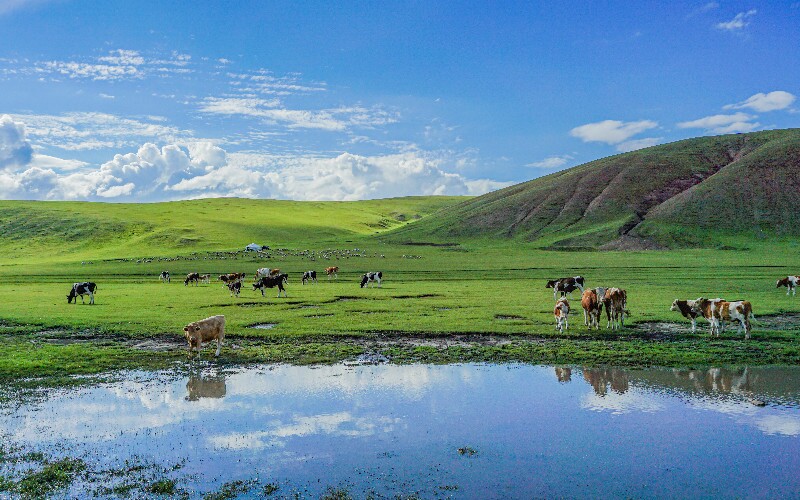
The very image of Inner Mongolia conjures up vast, undulating grasslands, and the Hulun Buir grassland is arguably the most iconic. TripAdvisor (https://www.tripadvisor.com/Attractions-g297439-Activities-Inner_Mongolia.html) highlights it as a must-see, and rightly so. This expansive prairie, dotted with herds of grazing livestock and traditional yurts, offers a unique opportunity to experience nomadic life firsthand.
Must-Do:
- Consider a horseback riding tour across the grasslands. The feeling of freedom and the breathtaking panoramic views are unparalleled. Many tour operators offer varying lengths of rides, catering to different experience levels. You can also try some traditional Mongolian activities like archery or wrestling.
Must-See:
- Sunrise and sunset over the Hulun Buir are spectacular. Find a high vantage point or simply relax in a yurt and witness the sky transform into a breathtaking canvas of colors.
Beyond Hulun Buir:
Other grasslands worth exploring include the Xilamuren Grassland, known for its beautiful flowers and vibrant wildlife, and the Ulan Butong Grassland, famous for its rolling hills and dramatic landscapes.
Part 2: Delving into History and Culture
Inner Mongolia boasts a rich and captivating history, blending Mongol and Chinese influences. Understanding this history is crucial to appreciating the region's unique character.
Inner Mongolia Museum (呼和浩特市博物馆):
As highlighted by both China Highlights (https://www.chinahighlights.com/inner-mongolia/article-top-things-to-do.htm) and numerous other sources, this museum offers a fascinating journey through the region's past. Explore exhibits detailing the region's diverse cultures, historical artifacts, and the evolution of its people.
Zhaojun Tomb (昭君墓):
This historical site, mentioned by China Highlights (https://www.chinahighlights.com/inner-mongolia/article-top-things-to-do.htm), commemorates Wang Zhaojun, a legendary beauty whose marriage to a Xiongnu chieftain cemented a period of peace between the Han Dynasty and the nomadic tribes. The tomb itself is impressive, nestled amidst rolling hills, and offers a glimpse into this pivotal moment in history.
Royal Dazhao Temple (大召寺):
This magnificent temple, also recommended by China Highlights (https://www.chinahighlights.com/inner-mongolia/article-top-things-to-do.htm), showcases a blend of Tibetan and Han architectural styles. Its intricate details and serene atmosphere make it a must-visit for those interested in religious architecture and spirituality.
Part 3: Beyond the Grasslands – Deserts and Mountains
Inner Mongolia isn't just about grasslands. The region boasts diverse landscapes, including deserts and mountains, each offering unique experiences.
Kubuqi Desert (库布齐沙漠):
Experience the stark beauty of the Kubuqi Desert, one of the largest deserts in China. While it might seem harsh, it also offers opportunities for dune bashing, camel riding, and witnessing stunning sunsets over the sand dunes.
Arxan National Park (阿尔山国家森林公园):
For those seeking a respite from the open grasslands, Arxan National Park offers stunning scenery, with volcanic lakes, pristine forests, and cascading waterfalls. It's a great place for hiking and enjoying the tranquility of nature.
Part 4: Practical Considerations
Transportation:
Internal travel within Inner Mongolia can be challenging. Consider hiring a driver or joining organized tours, especially if you plan to explore remote areas. Trains connect major cities, but buses are a more affordable option for shorter distances.
Accommodation:
Options range from luxurious hotels in major cities to traditional yurts for a more immersive experience. Book in advance, especially during peak season.
Language:
Mandarin Chinese is the official language, but learning a few basic Mongolian phrases will enhance your interactions with locals.
Best Time to Visit:
The best time to visit is during the summer months (June-August) for pleasant weather and vibrant grasslands. Spring and autumn offer cooler temperatures and fewer crowds.
Conclusion:
Inner Mongolia offers an unparalleled adventure, a chance to connect with nature, delve into a fascinating culture, and experience the true spirit of the steppe. By combining the must-see destinations highlighted here with your own personal interests, you can craft an unforgettable journey through this captivating region of China. Remember to respect local customs and traditions, and be prepared for a trip that will leave you with lasting memories of this unique and stunning land.


