

Title
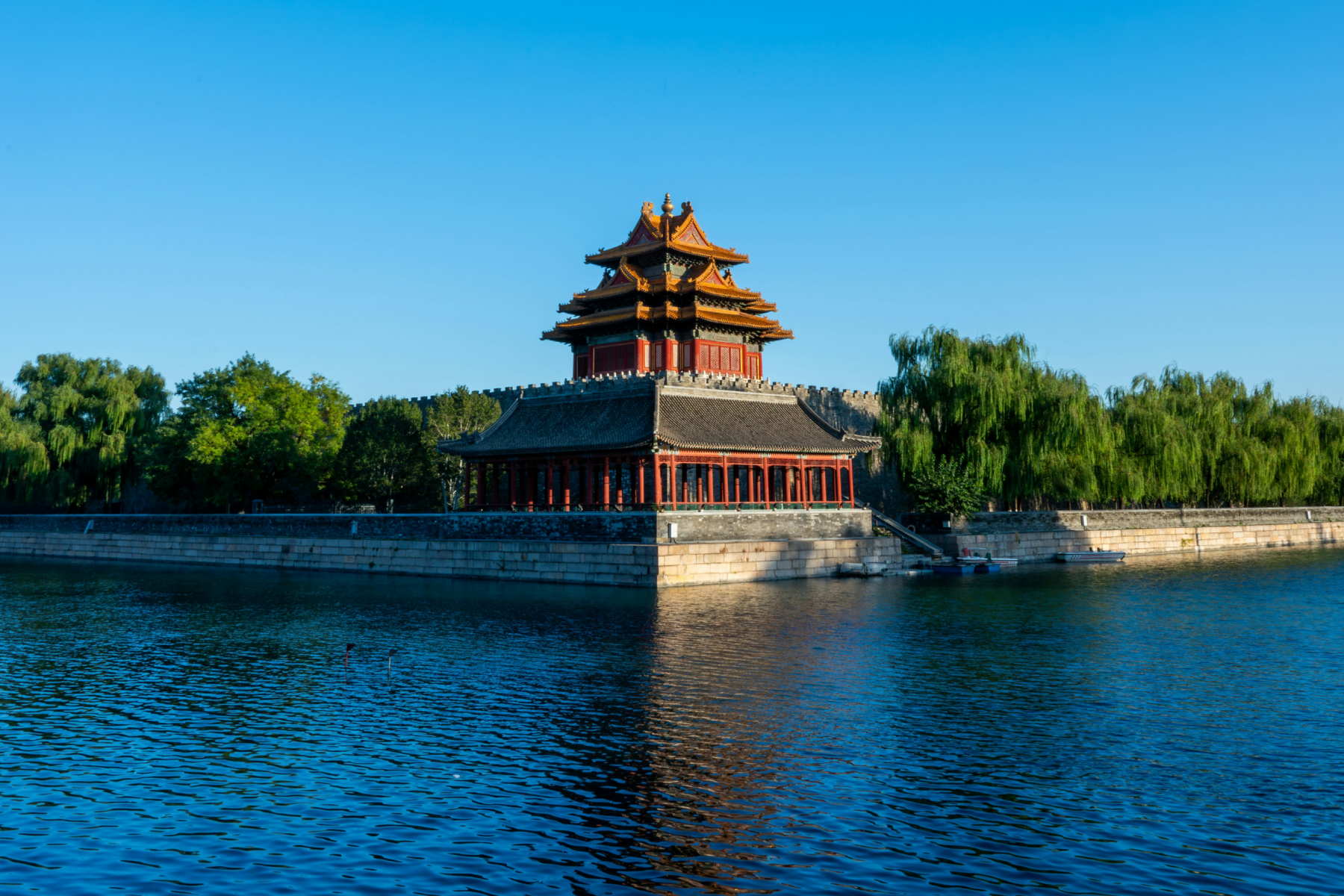
Step into the world's largest imperial palace complex, where 24 emperors ruled China for nearly 500 years. This UNESCO World Heritage site encompasses over 980 buildings across a vast complex that served as the political and ceremonial center of Chinese imperial life. As you cross through the magnificent Meridian Gate, you'll be transported into a world where every architectural detail symbolizes divine and imperial authority.Within these vermillion walls, the palace complex showcases the pinnacle of Chinese architectural brilliance, featuring intricate designs that took 12 years of meticulous craftsmanship and incorporated materials including timber from 100,000 Chinese cedars and 300 tons of gold leaf. The complex follows a strict north-south axis, reflecting ancient Chinese cosmology and the emperor's role as the Son of Heaven.Think of it as the ultimate royal home - but way bigger and more impressive than any castle you've seen in movies. Today, you can walk the same paths where emperors once walked and see the exact spots where they made decisions that changed Chinese history.


Exclusive China Forbidden City Tour
Our luxury small group China Forbidden City tour transforms your palace visit into an extraordinary journey through time. While thousands rush through the main halls each day, our carefully crafted experiences reveal the true essence of imperial China. Our expert tour guides - many with advanced degrees in Chinese history - unlock hidden stories and secret chambers that most visitors never discover.
What sets our tours apart is our commitment to authentic cultural immersion. We've secured special access to areas typically closed to the public, including the Palace of Tranquil Longevity and the Hall of Literary Profundity. Our guides share fascinating details about court life, from imperial ceremonies to daily routines of the emperor's household.
We limit our group sizes to ensure an intimate experience where you can hear every detail, ask questions freely, and move at a comfortable pace through the vast complex. Whether you choose our morning tour to experience the palace's tranquil awakening, our afternoon exploration to catch the golden light on ancient rooftops, or our full-day immersion, you'll discover the Forbidden City as few others do. Our guides don't just show you the palace - they reveal the fascinating world of imperial China through stories of power, intrigue, and tradition that shaped this magnificent complex for over 500 years.
No items found.
Highlights of the Forbidden City:
subtitle
text
Unveiling Imperial Treasures: Exclusive Tours
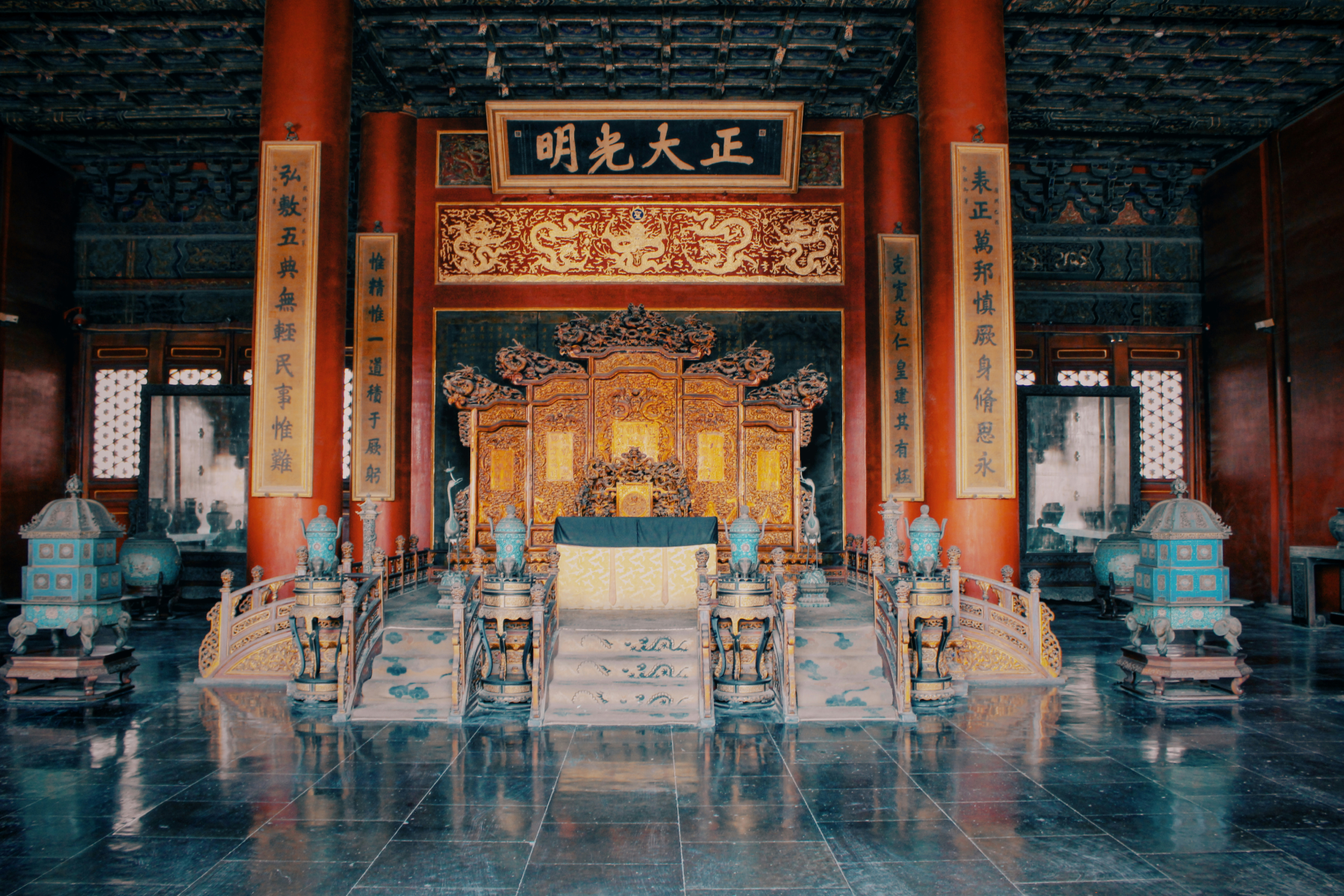
The Forbidden City reveals its grandeur through magnificent halls, priceless collections, and centuries of imperial history. Our expertly guided tours take you beyond the typical tourist route to discover both iconic landmarks and hidden treasures.
Grand Central Halls: The Heart of Imperial Power
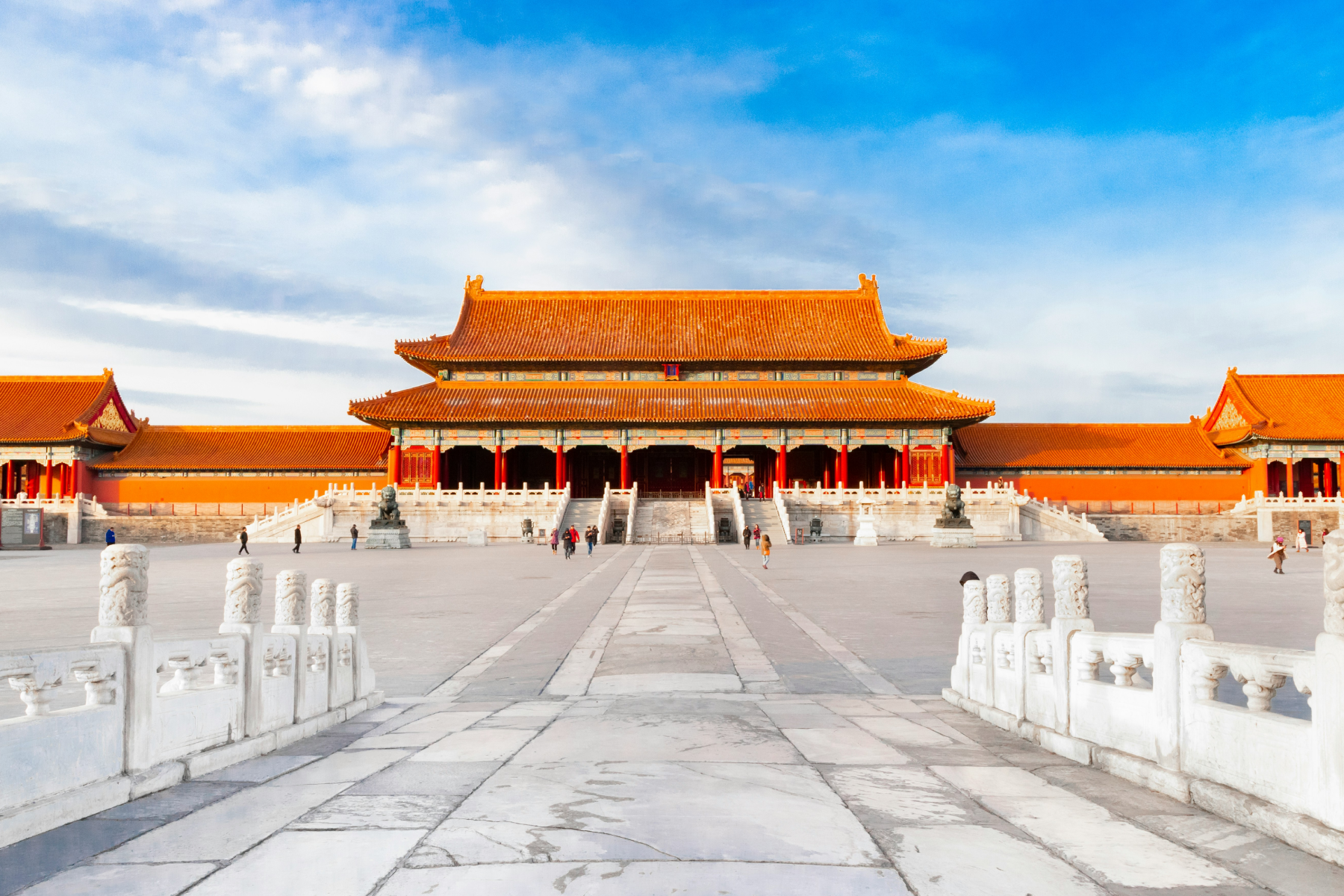
After passing through the imposing Meridian Gate, the first thing you'll see is a stunning sight - five beautiful marble bridges crossing the Golden Water River. These bridges, each representing a Confucian virtue, lead to the magnificent outer court where emperors once ruled their vast empire.
Hidden Palace Gems
Our day tour venture beyond the main thoroughfare to explore fascinating lesser-known areas:
· Hall of Mental Cultivation (Yangxin Dian) - this intimate complex served as the private study and office of the last eight Qing emperors. Here, young Emperor Puyi learned to read, and powerful Empress Dowager Cixi ruled from behind a screen.
· Palace of Compassion and Tranquility (Cining Gong) - step into the private world of imperial consorts in this serene palace complex. Originally built in 1536, this was where emperors' mothers and wives spent their days.
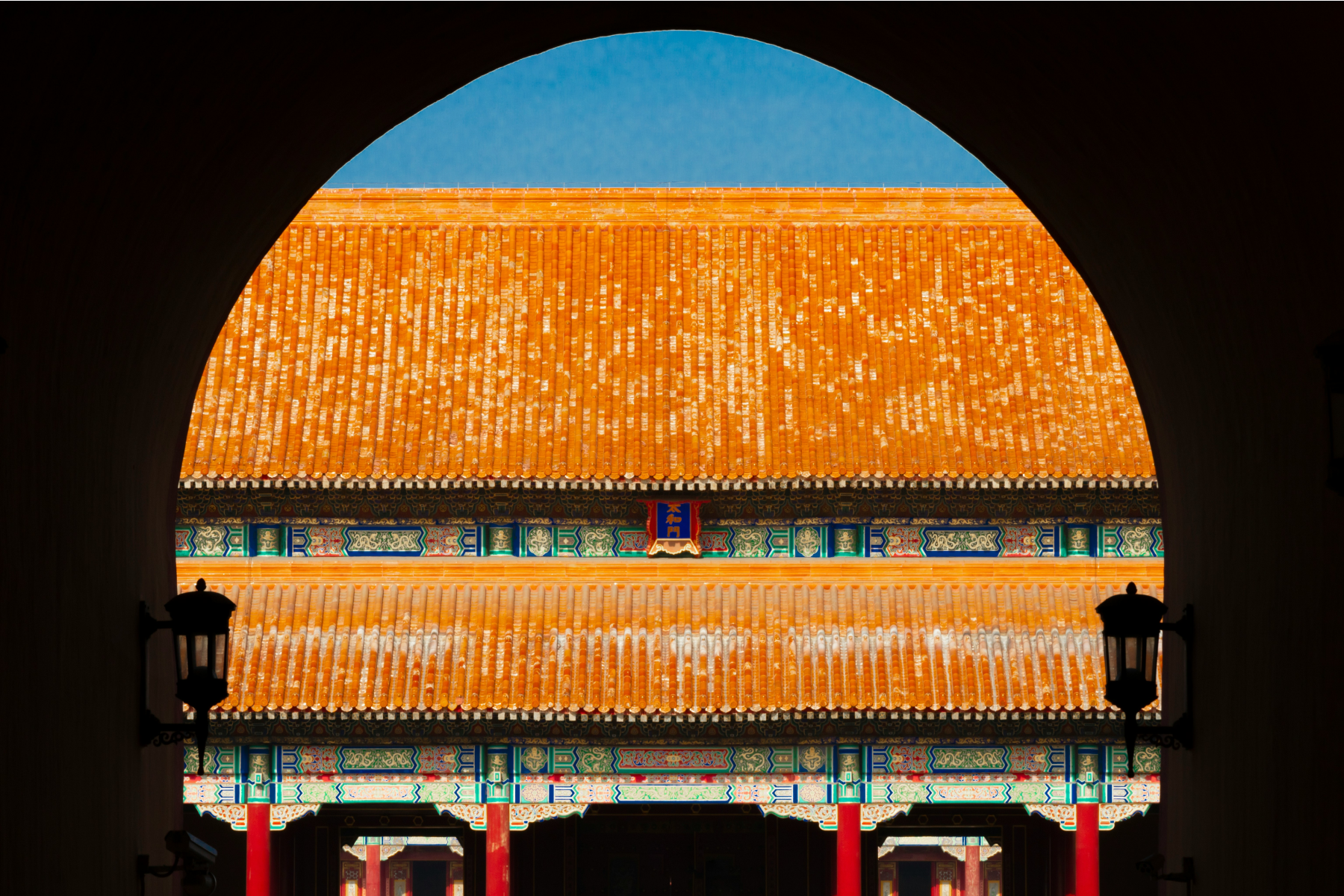
· Hall of Literary Profundity (Wenyuan Ge) - immediately recognizable by its distinctive green-glazed roof tiles, this remarkable building housed the empire’s most comprehensive library. As the imperial collection’s home, it stored countless precious manuscripts and classic texts.
· Crystal Palace (Yanxi Gong) - this intriguing unfinished structure stands as a unique testament to the cultural exchange between East and West during the late Qing dynasty. The palace combines European architectural elements with traditional Chinese building techniques, creating a fascinating hybrid design. Though never completed, its remaining marble foundations and partial walls offer visitors a glimpse of imperial China's early attempts at modernization. The structure’s unique design makes it one of the Forbidden City’s most distinctive architectural features.
· Hall of Mental Cultivation (Yangxin Dian) - this intimate complex served as the private study and office of the last eight Qing emperors. Here, young Emperor Puyi learned to read, and powerful Empress Dowager Cixi ruled from behind a screen.
· Palace of Compassion and Tranquility (Cining Gong) - step into the private world of imperial consorts in this serene palace complex. Originally built in 1536, this was where emperors' mothers and wives spent their days.
· Hall of Literary Profundity (Wenyuan Ge) - immediately recognizable by its distinctive green-glazed roof tiles, this remarkable building housed the empire’s most comprehensive library. As the imperial collection’s home, it stored countless precious manuscripts and classic texts.
· Crystal Palace (Yanxi Gong) - this intriguing unfinished structure stands as a unique testament to the cultural exchange between East and West during the late Qing dynasty. The palace combines European architectural elements with traditional Chinese building techniques, creating a fascinating hybrid design. Though never completed, its remaining marble foundations and partial walls offer visitors a glimpse of imperial China's early attempts at modernization. The structure’s unique design makes it one of the Forbidden City’s most distinctive architectural features.
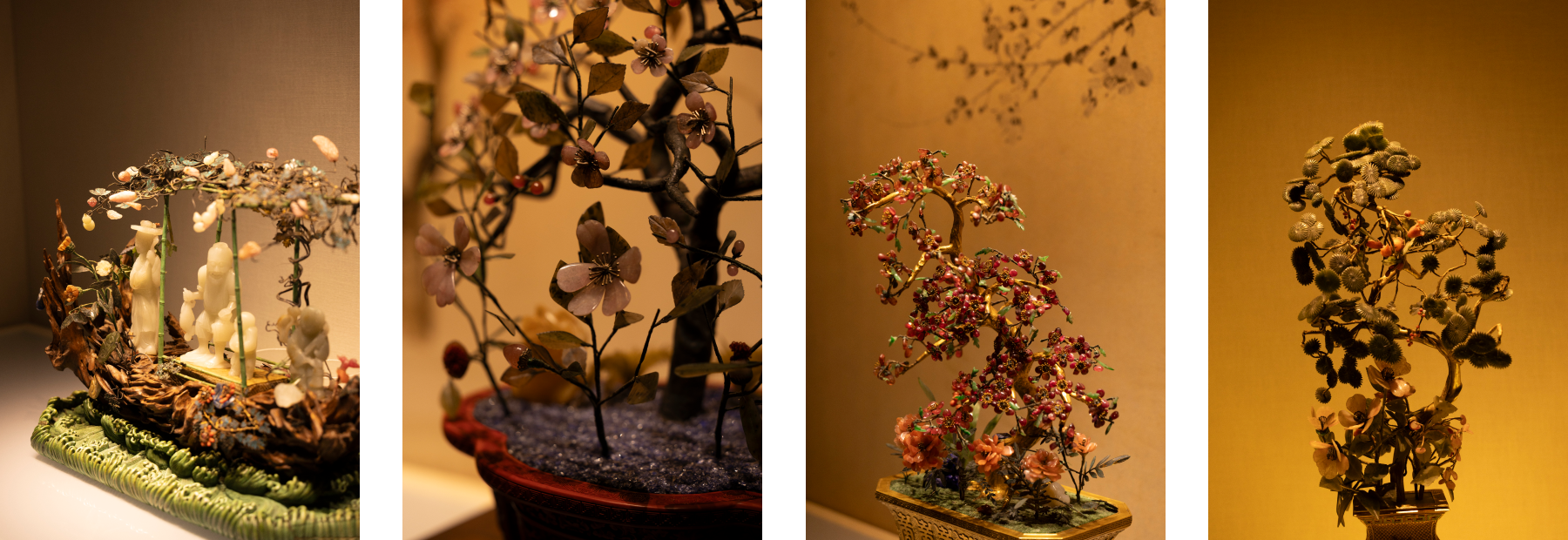
Hidden Palace Gems
Our day tour venture beyond the main thoroughfare to explore fascinating lesser-known areas:
· Hall of Mental Cultivation (Yangxin Dian) - this intimate complex served as the private study and office of the last eight Qing emperors. Here, young Emperor Puyi learned to read, and powerful Empress Dowager Cixi ruled from behind a screen.
· Palace of Compassion and Tranquility (Cining Gong) - step into the private world of imperial consorts in this serene palace complex. Originally built in 1536, this was where emperors' mothers and wives spent their days.
· Hall of Literary Profundity (Wenyuan Ge) - immediately recognizable by its distinctive green-glazed roof tiles, this remarkable building housed the empire’s most comprehensive library. As the imperial collection’s home, it stored countless precious manuscripts and classic texts.
· Crystal Palace (Yanxi Gong) - this intriguing unfinished structure stands as a unique testament to the cultural exchange between East and West during the late Qing dynasty. The palace combines European architectural elements with traditional Chinese building techniques, creating a fascinating hybrid design. Though never completed, its remaining marble foundations and partial walls offer visitors a glimpse of imperial China's early attempts at modernization. The structure’s unique design makes it one of the Forbidden City’s most distinctive architectural features.
· Hall of Mental Cultivation (Yangxin Dian) - this intimate complex served as the private study and office of the last eight Qing emperors. Here, young Emperor Puyi learned to read, and powerful Empress Dowager Cixi ruled from behind a screen.
· Palace of Compassion and Tranquility (Cining Gong) - step into the private world of imperial consorts in this serene palace complex. Originally built in 1536, this was where emperors' mothers and wives spent their days.
· Hall of Literary Profundity (Wenyuan Ge) - immediately recognizable by its distinctive green-glazed roof tiles, this remarkable building housed the empire’s most comprehensive library. As the imperial collection’s home, it stored countless precious manuscripts and classic texts.
· Crystal Palace (Yanxi Gong) - this intriguing unfinished structure stands as a unique testament to the cultural exchange between East and West during the late Qing dynasty. The palace combines European architectural elements with traditional Chinese building techniques, creating a fascinating hybrid design. Though never completed, its remaining marble foundations and partial walls offer visitors a glimpse of imperial China's early attempts at modernization. The structure’s unique design makes it one of the Forbidden City’s most distinctive architectural features.
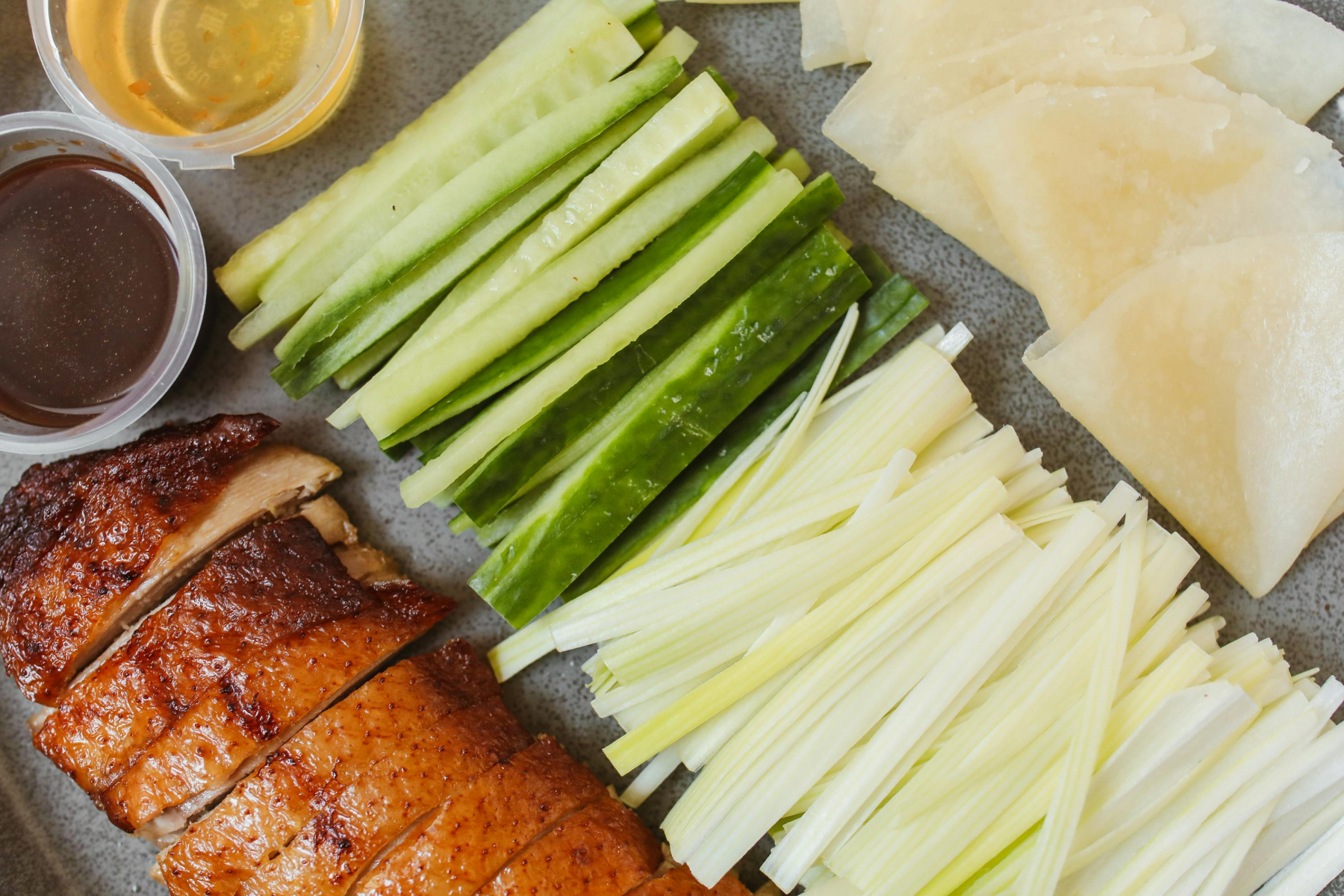
The Best Beijing Experience
The Best Beijing Experience
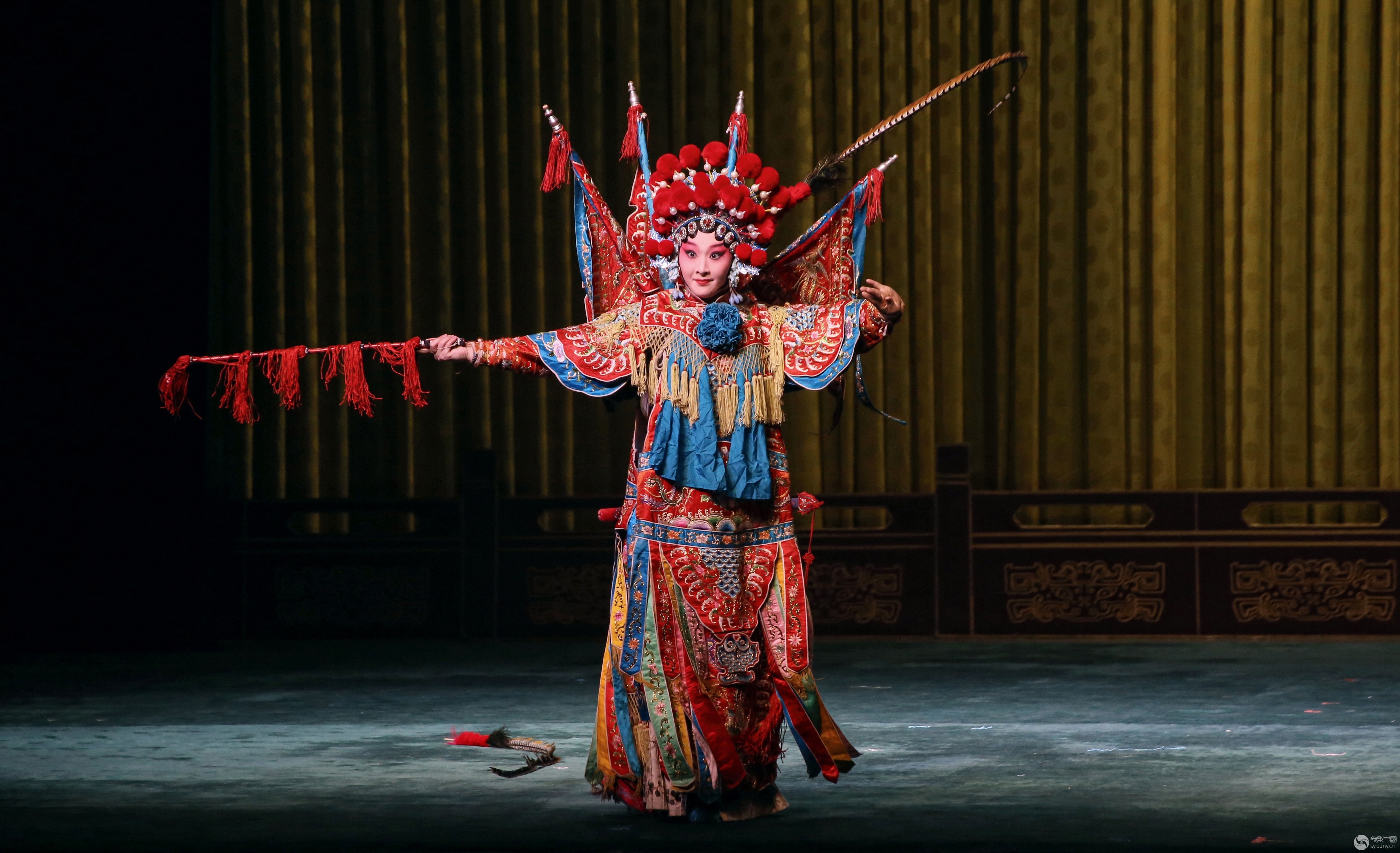
Experience the Heart of Sichuan:
Tour Packages Featuring the Panda Base, Mount Qingcheng and More
No items found.
Follow us on Instagram


Know before you go

When to go
Sunny Lake experiences warm summers and crisp, cool winters, perfect for year-round adventures. Weather can change quickly, so pack layers and check the forecast before you visit.
Learn more

.svg)

Getting here
Sunny Lake National Park is easily accessible by car and located just off the scenic Highway 20. The nearest major city is Portland, a two-hour drive away, making it an easy escape into nature.
Learn more

Get in touch
Have questions? We're here to help! Reach out to our friendly team for visitor information, trip planning tips, and park updates.
Learn more

Contact Panda Tourism
We’re here to help! Whether you have questions about our tours, need assistance with booking, or just want to share your feedback, feel free to get in touch with us. Our team is ready to assist you with all your travel needs.
If you have any urgent inquiries, please contact us directly at +852 4695 3115 on Whatsapp or email us at contact@pandatourism.com. We look forward to hearing from you and helping you plan your next adventure!
If you have any urgent inquiries, please contact us directly at +852 4695 3115 on Whatsapp or email us at contact@pandatourism.com. We look forward to hearing from you and helping you plan your next adventure!
Blog
No items found.
Contact booking@pandatourism.com


